
Biotin (vitamin B7) is essential for normal metabolism and supports the maintenance of healthy hair, skin, and nails. But the internet has turned it into a “miracle hair vitamin”, and that is where the confusion starts. This guide breaks down what biotin does, who may benefit, and what matters most for fuller, healthier-looking hair.
Short on time?
Biotin can help if you are deficient, but evidence for faster hair growth in otherwise healthy people is limited. Focus on overall nutrition, gentle hair habits, and consistent routines.
See product linksWhat is Biotin (Vitamin B7)?
Biotin is a water-soluble B vitamin that helps your body convert food into energy. It also supports the production of keratin, a structural protein found in hair, skin, and nails. Because hair is largely made of keratin, biotin is often associated with “stronger hair”.
Important context, biotin deficiency can contribute to hair thinning and brittle nails. However, true deficiency is uncommon for most people eating a varied diet.

Does Biotin Actually Help Hair Growth?
What biotin can do
- Supports maintenance of normal hair as part of overall nutrition
- May help improve hair and nail changes when a true deficiency is present
- Can be useful if your diet is consistently low in key nutrients
What biotin cannot promise
- A guaranteed “hair growth booster” for everyone
- Instant results in days or weeks
- Fixing hair loss caused by hormones, thyroid issues, iron deficiency, stress, or traction damage
Many supplements are marketed as “biotin for hair growth”, but strong clinical evidence in people who are not deficient is limited. If you are experiencing shedding or thinning, it is often more effective to identify the underlying cause rather than relying on a single nutrient.
If hair loss is sudden, patchy, post-partum, or paired with fatigue, weight change, or scalp irritation, consider speaking with a healthcare professional to rule out common causes like low iron, thyroid imbalance, or dermatitis.
Signs of Deficiency and Who is at Risk
Biotin deficiency is uncommon, but it can happen. Symptoms may include thinning hair, a scaly rash (often around the eyes or mouth), and brittle nails.
Higher-risk situations can include
- Very restrictive diets or prolonged poor intake
- Certain gastrointestinal conditions that affect absorption
- Long-term use of some medications (ask your clinician if unsure)
- High intake of raw egg whites over time (avidin can reduce biotin absorption)
- Pregnancy and breastfeeding may increase nutritional demands
How Much Biotin Do You Need?
Many health authorities use an Adequate Intake (AI) rather than an RDA for biotin. A commonly cited AI is 30 µg per day for adults, and 35 µg per day while breastfeeding. Most people meet this through food without needing high-dose supplements.
When a lower dose may make sense
- General nutritional support
- As part of a multi-nutrient hair formula
- If you want to avoid high-dose biotin while still covering basics
When to be cautious with high doses
- If you have upcoming blood tests
- If you are under investigation for thyroid or heart-related markers
- If you are using multiple “hair, skin, nails” products at once
Food Sources of Biotin
Biotin-rich foods can be a simple first step, especially if your diet has been inconsistent.
- Eggs (cooked)
- Fish
- Nuts and seeds
- Sweet potatoes
- Legumes
- Avocado
If you enjoy recipes using raw egg whites, note that avidin can reduce biotin absorption. Cooking eggs reduces this effect.
Safety, Side Effects, and Lab Test Warning
Biotin is generally well tolerated. Because it is water-soluble, excess is typically excreted. The most important practical warning is that higher-dose biotin can interfere with certain laboratory tests, sometimes leading to incorrect results.
If you take a higher-dose biotin supplement, tell your healthcare provider before any blood test. This is especially important for tests related to thyroid function and cardiac markers (such as troponin).

Healthy Hair Tips That Actually Matter
1) Prioritise protein and key minerals
Hair is protein-based, so consistent protein intake matters. Minerals like iron, zinc, and selenium also support normal hair maintenance.
2) Protect your scalp and lengths
- Avoid overly tight styles that pull at the hairline
- Limit excessive heat where possible
- Use a gentle wash routine and avoid aggressive towel drying
3) Be consistent, not extreme
Hair changes take time. A realistic window to assess a nutrition or routine change is often 8 to 12 weeks, because hair growth cycles are slow.
How Biotell Fits into a Hair Routine
At Biotell, we look at hair from two angles, nutrition and routine. If you want to support hair from within, consider a multi-nutrient approach rather than relying on biotin alone. If you want to improve how hair looks and feels day to day, focus on scalp-friendly cleansing and strengthening care.
From within
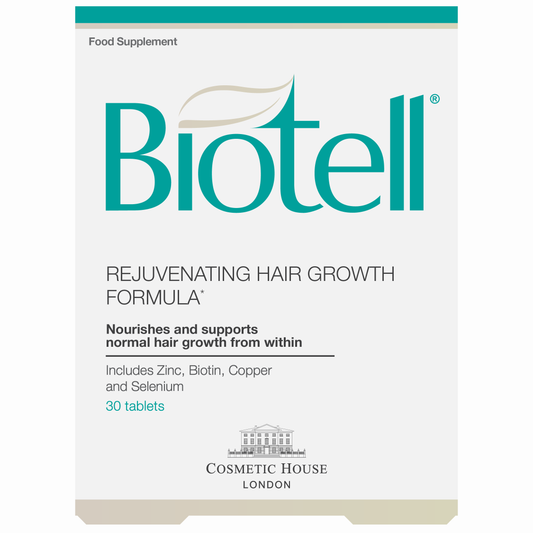
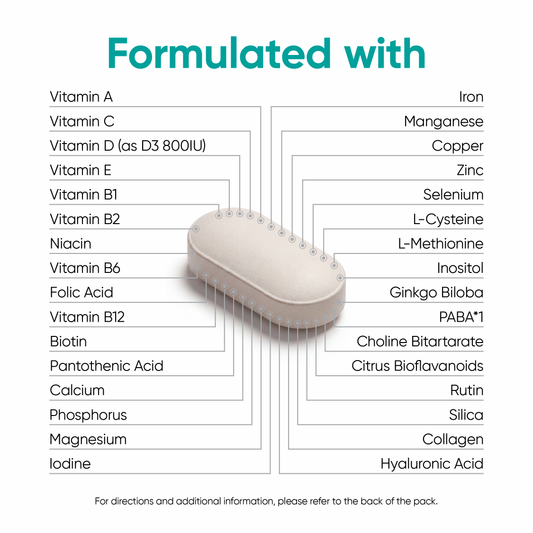
- Rejuvenating Hair Growth Formula (two tablets daily with a main meal), includes biotin plus a broad nutrient blend such as zinc, selenium, copper, iron, B vitamins, and vitamin D.
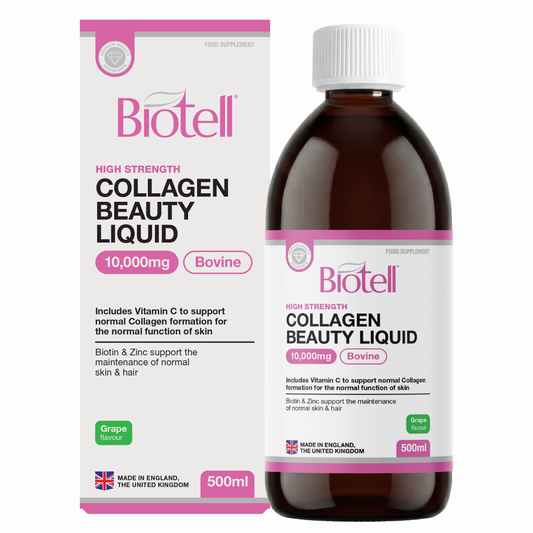
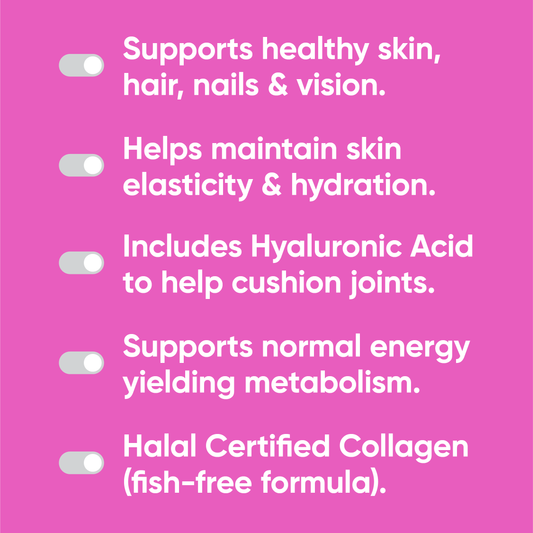
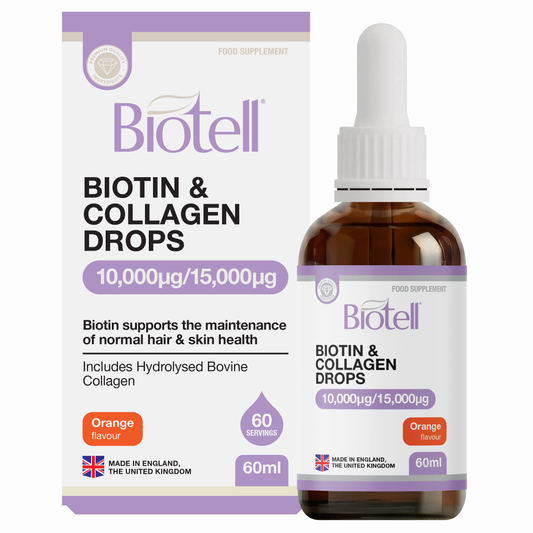
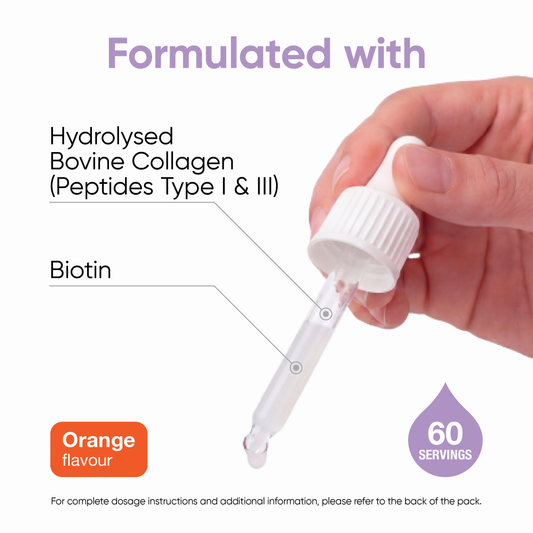
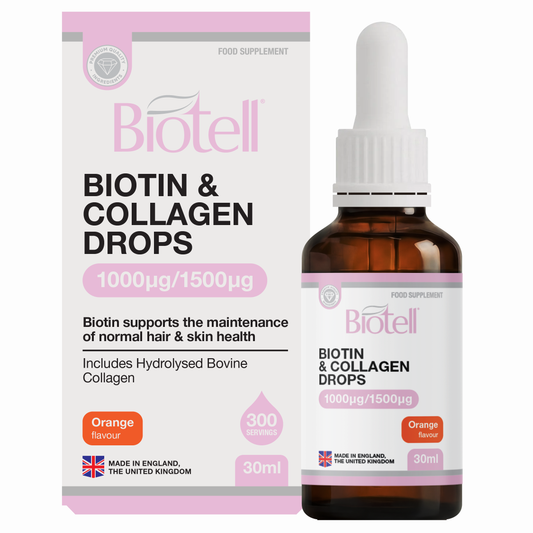
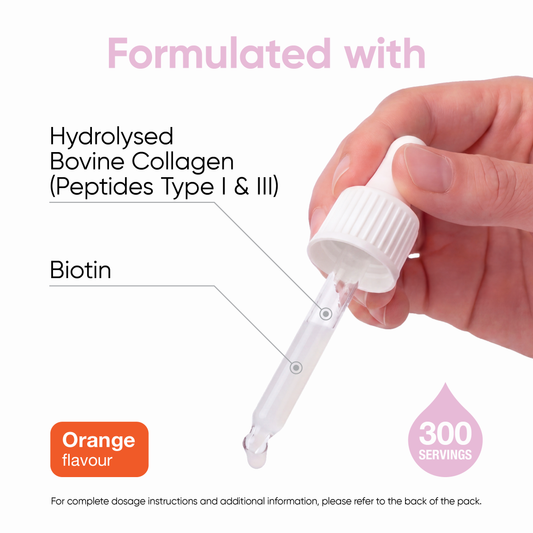
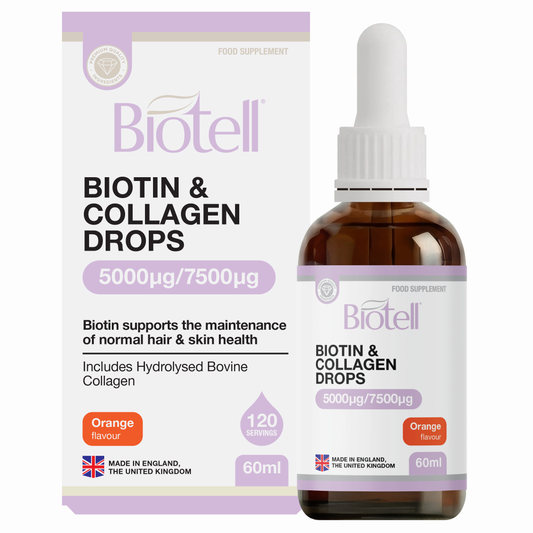
- Biotin and Collagen Drops, available in different strengths depending on your preference for lower or higher-dose formats.
See product links at the bottom of the page.
In your shower routine
- Strengthening and Thickening Shampoo is formulated with ingredients like caffeine, biotin, pro-vitamin B5, and vitamin E for hair that looks fuller and stronger with regular use.
- If you prefer a simple routine, consider a bundle so you can stay consistent.
See product links at the bottom of the page.
Food supplements should not replace a varied, balanced diet and a healthy lifestyle. If you are pregnant, breastfeeding, on medication, or managing a health condition, seek professional advice before supplementing.
References and Product Links
Biotell product links
- Hair Health collection
- Rejuvenating Hair Growth Formula
- Biotin & Collagen Drops 10,000/15,000
- Biotin & Collagen Drops 1000/1500
- Strengthening & Thickening Shampoo
- Strengthening & Thickening Bundle
Scientific references
- NIH Office of Dietary Supplements: Biotin (Health Professional Fact Sheet)
- NIH Office of Dietary Supplements: Biotin (Consumer Fact Sheet)
- Harvard T.H. Chan School of Public Health: The Nutrition Source, Biotin
- FDA: Biotin interference with troponin lab tests
- NCBI Bookshelf: Biotin (StatPearls)
This article is for informational purposes only and does not substitute professional medical advice. Always consult your healthcare provider about personal needs, dosing, and interactions.
FAQ's about Biotin for Hair Growth
Will biotin make my hair grow faster?
Who is most likely to benefit from biotin?
How long does it take to see results?
Can biotin interfere with blood tests?
Is it better to take biotin alone or as part of a blend?
Can I get enough biotin from food?
Tags: