
Beauty and wellbeing
What Is Collagen? The Foundation of Youthful Skin, Hair and Health
Collagen is the body’s main structural protein. It helps keep skin looking firm and smooth, supports the strength of hair and nails, and plays a key role in connective tissues like tendons, ligaments and cartilage. This guide explains what collagen is, what it does, how collagen changes with age, and the most practical ways to support collagen day to day.
Short on time?
Collagen is a building-block protein found throughout the body. Your body makes it using amino acids, and it relies on supportive nutrients like vitamin C and minerals. Research suggests collagen peptides may help support skin hydration and elasticity in some people, but results vary and consistency matters. Start with nutrition and sun protection, then consider collagen supplements if they fit your routine.
See product links and references
What is collagen, and why does it matter?
Collagen is a structural protein that helps give tissues their strength and shape. It is found in skin, bones, tendons, ligaments and cartilage, and it is one reason skin can look firm and resilient. Collagen also supports the structure of connective tissue throughout the body.
How collagen works
Think of collagen fibres as part of the body’s support network. In skin, collagen contributes to firmness and bounce. In joints, collagen is part of cartilage and connective tissue that helps with comfort and movement.
Your body produces collagen from amino acids (including glycine and proline). It also relies on nutrients that support collagen formation, especially vitamin C. Over time, and with factors like UV exposure and lifestyle stressors, collagen can break down faster than the body rebuilds it.
Key benefits of collagen support
1) Skin elasticity and hydration
Collagen supports the structure of skin. As collagen changes with age, skin can look less firm and fine lines may become more noticeable. Many people use collagen peptides as part of a routine aimed at hydration and elasticity.
2) Hair and nails
Collagen provides amino acids used throughout the body. While hair is made primarily of keratin, collagen can support the overall nutrition story behind healthy-looking hair and nails.
3) Joint comfort and mobility
Collagen is a component of cartilage and connective tissue. Collagen supplements are often used as part of joint-focused routines, especially alongside strength training and overall healthy body composition.
4) Body-wide connective tissue support
Collagen is part of connective tissue across the body, including tendons and ligaments. Supporting collagen is not about one “magic ingredient”, it is about steady nutrition and habits that protect what you have.
Realistic expectations matter. Collagen support is typically a gradual routine, not an overnight fix. Consistency, and the foundations (protein, vitamin C, and sun protection), make the biggest difference long term.
Types of collagen, which one do you need?
There are many types of collagen, but these are the ones you will hear about most:
- Type I, commonly associated with skin, hair and connective tissue
- Type II, commonly associated with cartilage and joints
- Type III, often found alongside Type I in connective tissues
Many collagen supplements use hydrolysed collagen (collagen peptides) because it is broken into smaller peptides for easier digestion. Some people prefer marine sources, while others choose bovine sources based on preference and dietary needs.
Who can benefit from collagen support?
Collagen support can be a good fit if you want to maintain healthy-looking skin, or if you are building a routine focused on hair and nails, or if you are active and want to support joints as part of your training lifestyle.
Common reasons people add collagen
- Skin hydration and elasticity routines
- Hair and nail support as part of overall nutrition
- Joint comfort, especially with regular training
- Busy lifestyles where consistency matters
Consider professional advice if
- You have unexplained joint pain or swelling
- You have sudden hair shedding
- You are pregnant, breastfeeding, or managing a health condition
- You take medications and want to avoid interactions
How to support collagen naturally
Collagen support works best when you combine supplements with habits that protect collagen in the first place.
1) Eat enough protein
Collagen is built from amino acids. Prioritise protein at each meal, and include varied whole foods across the week.
2) Get vitamin C daily
Vitamin C supports collagen formation. Add citrus, berries, peppers, or leafy greens daily.
3) Protect your skin from UV
UV exposure accelerates visible skin ageing. Daily SPF is one of the most effective long-term habits for protecting skin structure.
4) Consider collagen peptides if it suits your routine
If you want a simple habit, a daily liquid collagen can be an easy way to stay consistent. Many people aim for a steady routine over 8 to 12 weeks before judging results.
Tip: Pairing collagen with vitamin C is a common approach because vitamin C supports normal collagen formation.

What the science says
Research on oral collagen is still developing, but overall, studies and reviews suggest that collagen peptides may support skin hydration and elasticity in some people. Results vary depending on the collagen type, dose, study design, and the individual.
The most realistic way to think about collagen is as part of a broader routine: nutrition, lifestyle, and topical protection, with collagen supplements as a supportive add-on rather than a standalone solution.
Biotell and collagen
At Biotell, we focus on routines that work in real life, simple daily formats, supportive blends, and products that complement healthy habits. If you want to build a collagen routine, you can approach it from two angles, internal support and topical daily care.
From within
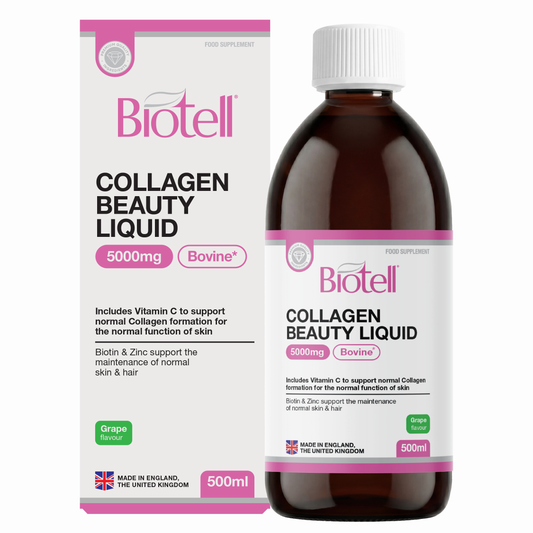
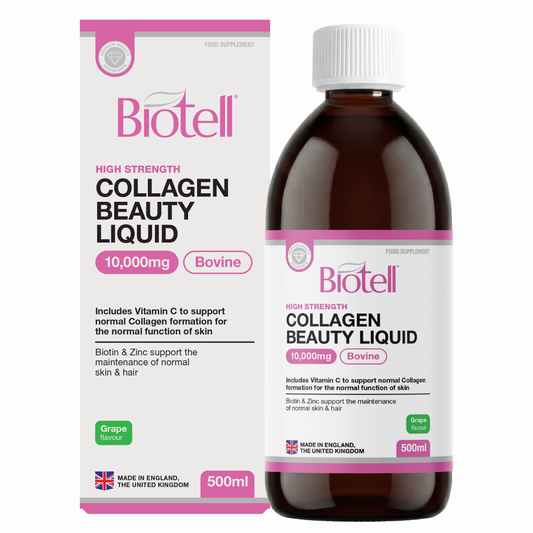
- Collagen Beauty Liquid for a beauty-focused daily collagen routine
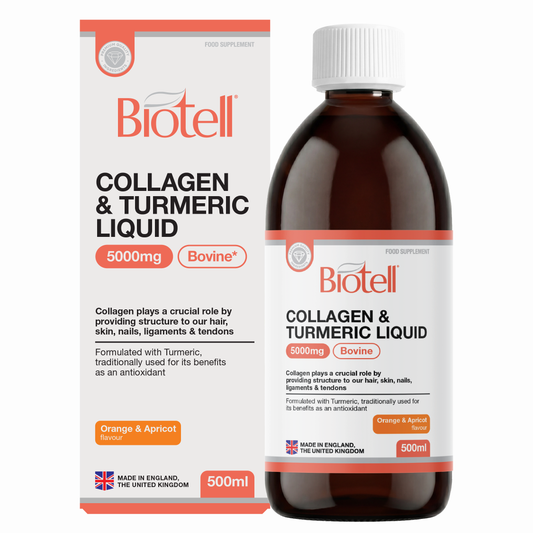
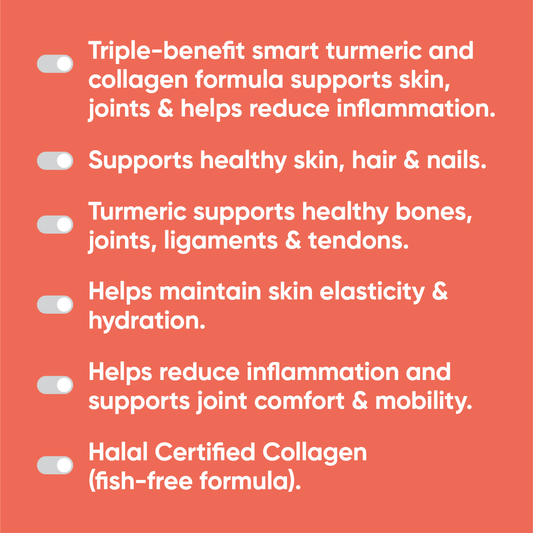
- Collagen and Turmeric Liquid for collagen plus turmeric in one formula
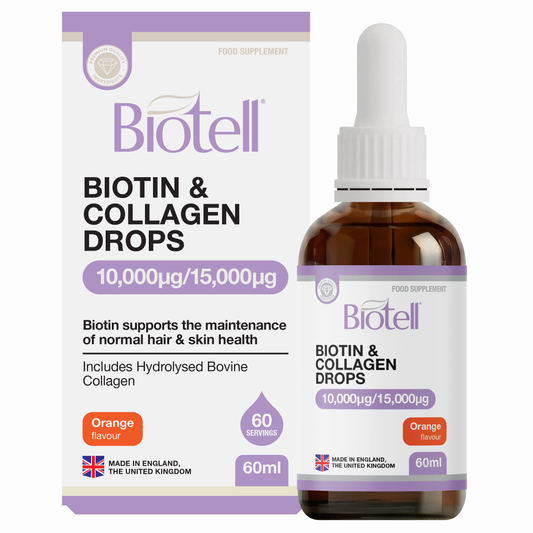
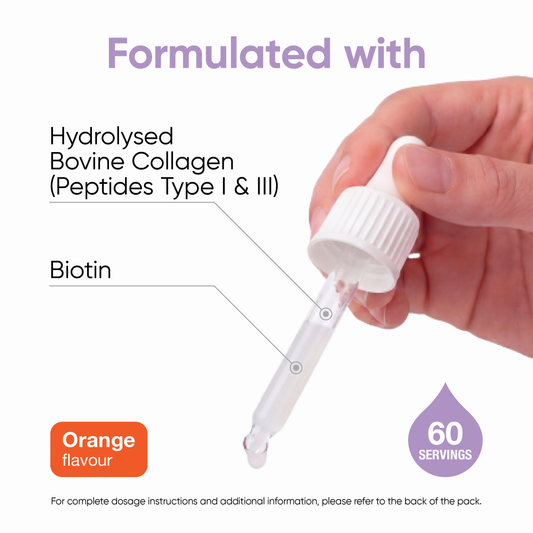
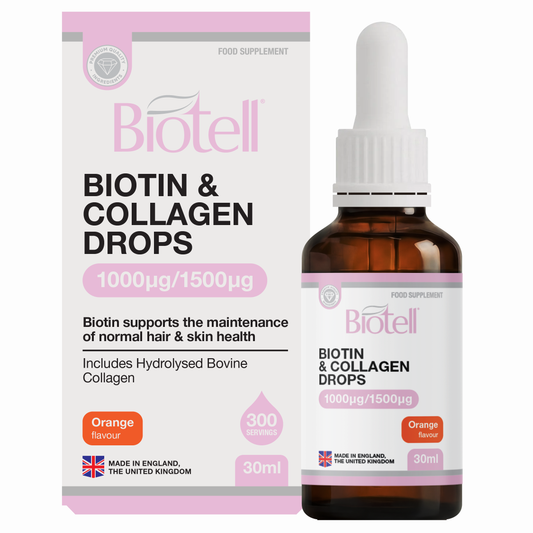
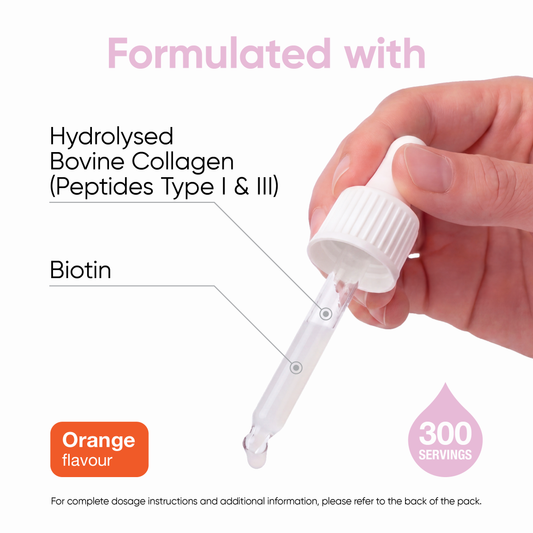
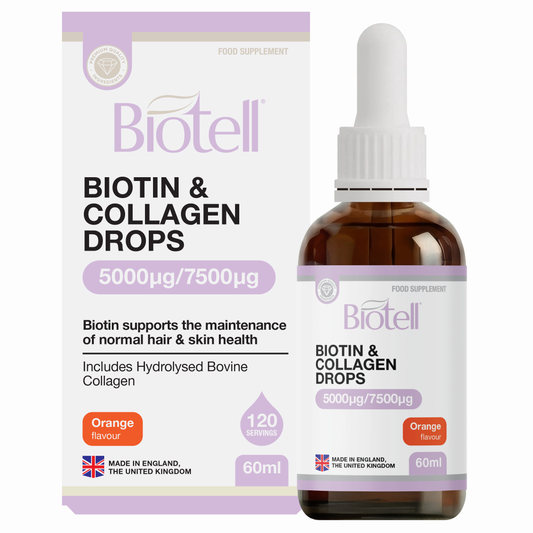
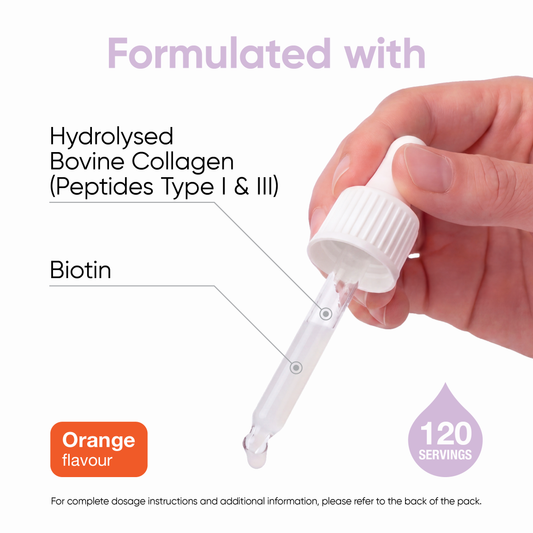
- Biotin and Collagen Drops as an optional add-on for hair, skin and nails routines
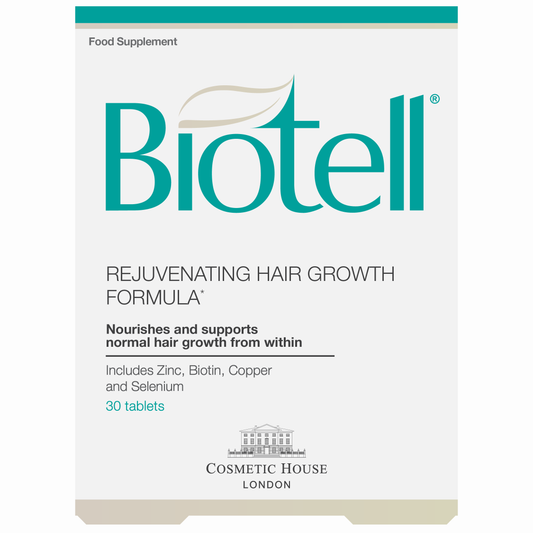
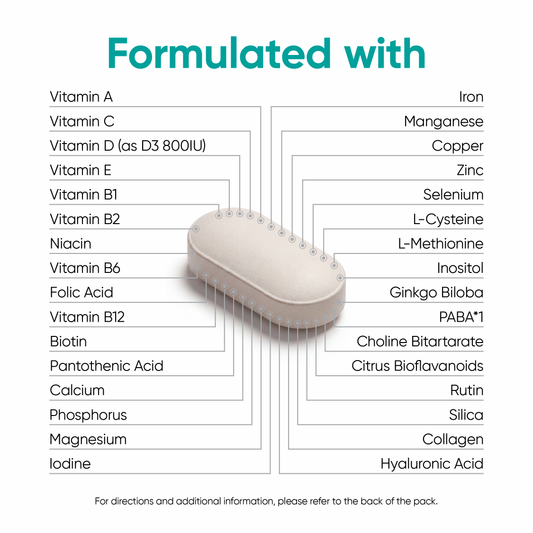
- Rejuvenating Hair Growth Formula includes a broader nutrient blend designed for hair support
Product links are listed at the bottom of the page.
Topical support
- Green Caviar Night Face Cream for hydration-focused overnight care
- Daily SPF is always recommended as your baseline skin habit
Product links are listed at the bottom of the page.
Food supplements should not replace a varied, balanced diet and a healthy lifestyle. If you have a medical condition or take medications, seek professional advice before starting supplements.
FAQ's about collagen
What is collagen made of?
How long does it take to see results from collagen?
What is the difference between marine and bovine collagen?
Can I take collagen with other supplements?
Is collagen suitable for vegetarians or vegans?
Product links and references
Shop Biotell collagen products
- Shop Collagen
- Collagen and Beauty collection
- Collagen Beauty Liquid 10,000mg (Bovine)
- Collagen Beauty Liquid 5000mg (Bovine)
- Collagen and Turmeric Liquid 5000mg (Bovine)
- Rejuvenating Hair Growth Formula
- Biotin and Collagen Drops 10,000/15,000
- Biotin and Collagen Drops 1000/1500
- Green Caviar Night Face Cream
External references
- Harvard Health, Do collagen supplements fulfill their promises?
- Harvard T.H. Chan, The Nutrition Source, Collagen
- Systematic review and meta-analysis (2023), hydrolyzed collagen and skin outcomes
- Randomized controlled trial (12 weeks), fish-derived collagen peptides and skin
- Randomized controlled trial (12 weeks), collagen and skin measures
Disclaimer: This article is for general information only and is not medical advice. Always speak with a qualified healthcare professional if you have symptoms, a medical condition, or take medications.
Tags: