What is hyaluronic acid?
Hyaluronic acid (HA) is a naturally occurring molecule found in the skin and joints. In skincare, it is used as a humectant, which means it helps attract water to the surface of the skin to improve comfort and hydration.
You will also see sodium hyaluronate on ingredient lists, it is a form of hyaluronic acid commonly used in skincare formulas.
How it works on the skin
1) Attracts water
Helps pull moisture toward the skin, which supports a fresher, more hydrated look.
2) Improves skin feel
Hydrated skin often feels softer and looks smoother, especially when dehydration is the main issue.
3) Supports the barrier
When paired with a moisturiser, HA helps reduce that tight, dry feeling by supporting moisture retention.
Hydration ingredients work best when you seal them in. If you apply HA and stop there, skin can still feel dry later.
Key benefits of hyaluronic acid
Intense hydration and a plumper look
HA is ideal when skin looks tired or makeup sits badly. It supports a dewy finish without feeling heavy, so it works for oily and combination skin too.
Smoother appearance of fine dehydration lines
Dehydration lines can look more obvious when the skin barrier is compromised. Consistent hydration can make skin look more even and rested.
Comfort for sensitive skin
HA is typically well tolerated and fits well in barrier-first routines. If your skin stings easily, keep the rest of the routine simple.
Supports a healthy glow
Hydrated skin reflects light better, which often looks like a natural glow. This is why HA is a core step in many “glass skin” routines.
Common mistakes that reduce results
Applying on very dry skin
HA works best when there is water available. Apply it to slightly damp skin after cleansing, or mist first.
Skipping moisturiser
Think of HA as the hydration step, then moisturiser is the “seal” step. Without sealing, hydration tends to fade faster.
Overloading actives
If you use acids, retinoids, and vitamin C all at once, irritation can increase and hydration drops. Keep HA as your stable daily base, then rotate stronger actives.
Forgetting SPF
Hydration makes skin look better, but SPF protects those results. Daily SPF is one of the highest impact steps for long-term skin quality.
How to use hyaluronic acid in your routine
Morning routine
- Cleanse
- Apply hyaluronic acid serum on slightly damp skin
- Moisturise to lock it in
- Finish with SPF as your last step
Night routine
- Cleanse, double cleanse if you wear SPF and makeup
- Apply hyaluronic acid
- Moisturiser or a nourishing oil if you are dry
If your skin is very dry in winter, you can use HA twice daily and choose a richer moisturiser at night.
Routine tips by skin type
Dry skin
- Use HA morning and night
- Seal with a richer cream
- Add a few drops of facial oil at night if needed
Oily or combination skin
- HA is ideal because it hydrates without heaviness
- Use a lightweight moisturiser
- SPF daily, especially if you use exfoliants
Sensitive skin
- Keep routines minimal, cleanse, HA, moisturise, SPF
- Introduce acids slowly, if at all
- Patch test new products and avoid frequent switching
Disclaimer: This article is for general information only and is not medical advice. If you have a skin condition or persistent irritation, seek professional advice.
Hyaluronic acid at a glance
| Goal | What to do | Best product type | Routine note |
|---|---|---|---|
| Hydration | Apply HA on damp skin | Serum, toner | Always seal with moisturiser |
| Plumper look | Use consistently, morning and night | Serum, cream | Dehydration lines often improve first |
| Glow and smoother texture | Pair hydration with gentle exfoliation | Hydrating serum plus mild exfoliant | Do not over-exfoliate, protect with SPF |
| Barrier support | Keep routine simple and soothing | Toner, serum, moisturiser | Reduce strong actives if stinging occurs |
FAQ's about hyaluronic acid
Can hyaluronic acid clog pores?
Should I use hyaluronic acid before or after moisturiser?
Can I use hyaluronic acid with vitamin C or retinoids?
Why does my skin still feel dry after using HA?
How long until I see results?
Product links and references
Biotell products mentioned
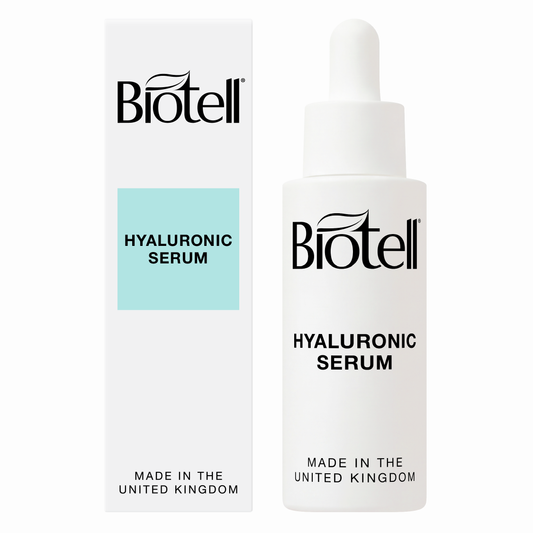
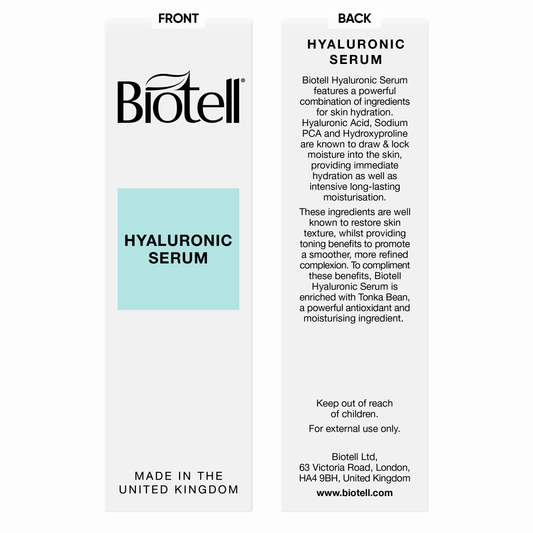
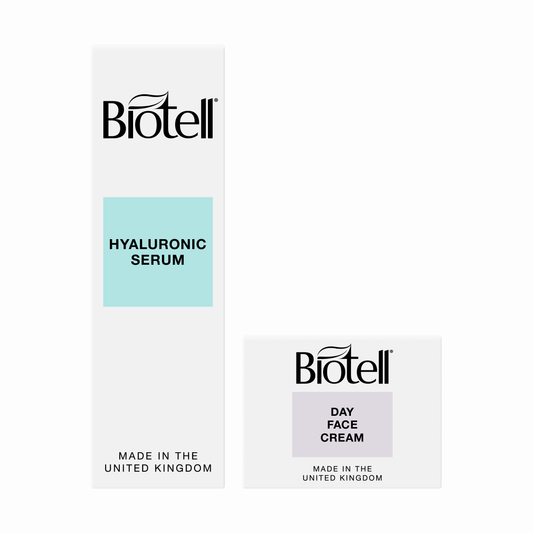
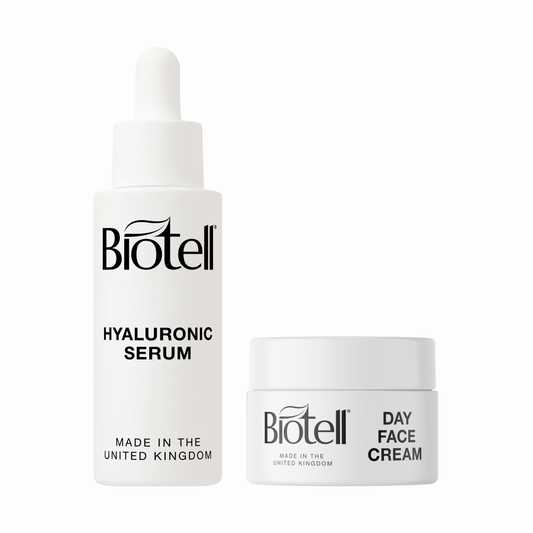
- Hyaluronic Serum
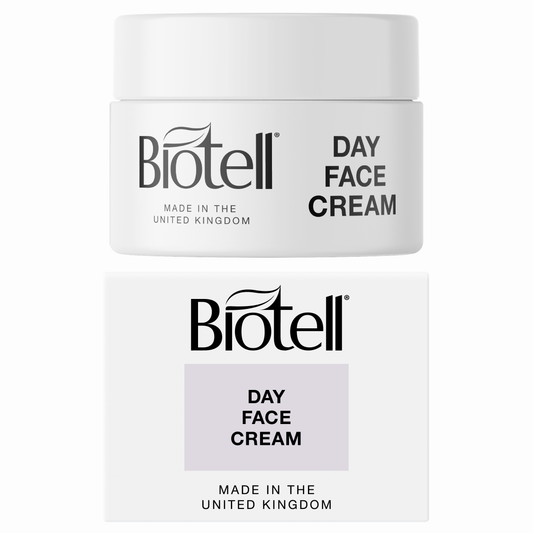
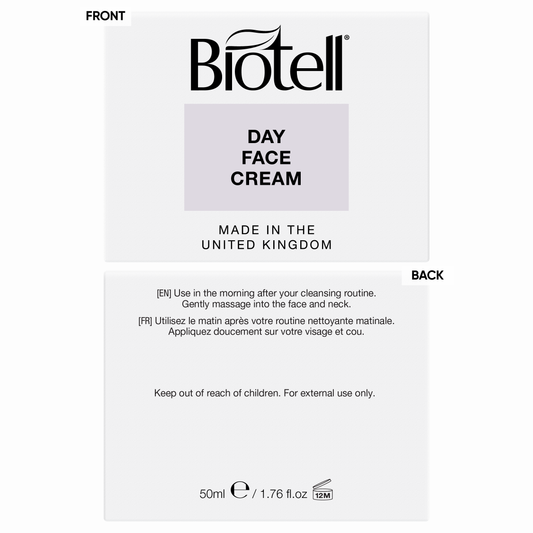
- Day Face Cream
- Hydration Set
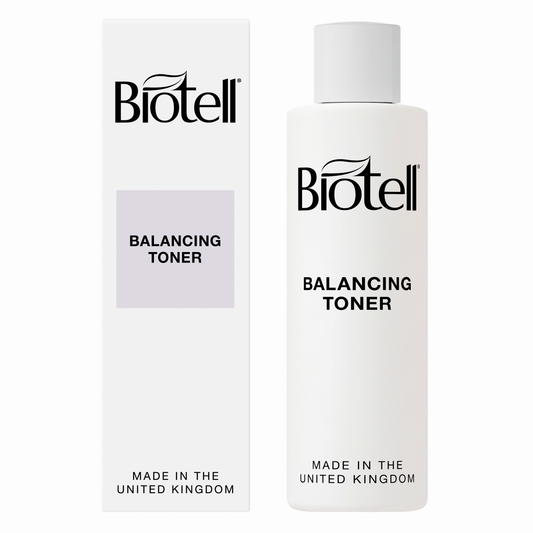
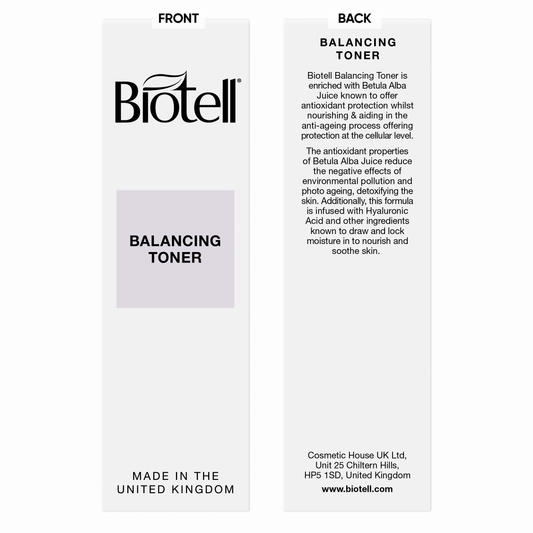
- Balancing Toner
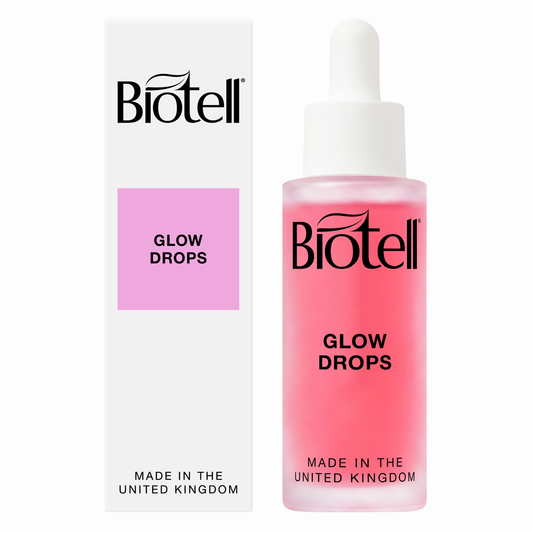
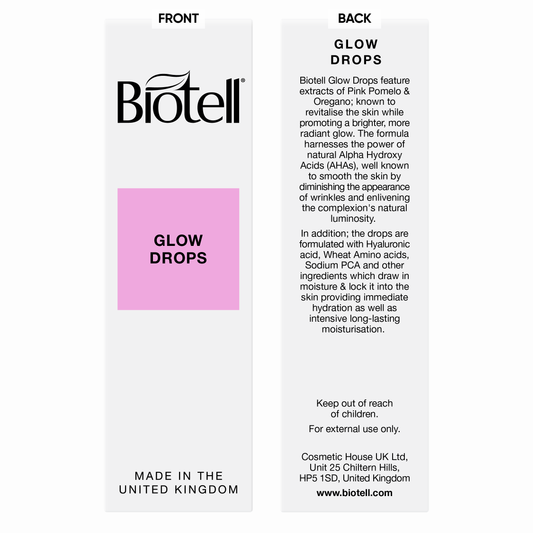
- Glow Drops
- Night Repair Oil
- Sun Serum SPF 30
External references
- Harvard Health: The hype on hyaluronic acid
- Clinical study: Topical hyaluronic acid serum for facial photoaging
- JCAD (2014): Efficacy of a topical nano hyaluronic acid in humans
- Review: Benefits of topical hyaluronic acid for skin quality and signs of aging
- DermNet NZ (PDF): Moisturisers, humectants and barrier support
Disclaimer: This article is for general information only and is not medical advice. Always speak with a qualified professional if you have symptoms, a medical condition, or take medications.