Your hair growth cycle, explained
Hair grows in a repeating cycle. Most scalp hairs sit in the growth phase for years, then transition briefly, then rest and shed. Thinning happens when more hairs shift into the resting phase, fewer regrow, or follicles gradually produce finer strands over time.
Anagen, growth
Long phase where hair actively grows. This is what determines how long hair can get.
Catagen, transition
Short phase where growth slows and the follicle prepares to rest.
Telogen, rest and shed
Hair sheds and the follicle resets. If too many hairs stay here, you notice thinning.
Most common causes of hair thinning
Hair thinning is rarely one single issue. For many people, it is a combination of genetics, hormones, stress, nutrition, and daily hair practices.
Genetics and pattern thinning
Pattern thinning can cause a gradual widening parting or reduced density across the crown. It can affect both women and men and tends to progress slowly without intervention.
Hormonal shifts
Pregnancy, postpartum, stopping or starting hormonal contraception, and perimenopause can all influence shedding. This can be temporary, but it is worth tracking if it continues beyond a few months.
Stress and major life events
High stress can push more hairs into the resting phase, which can show up as noticeable shedding a couple of months later. Improving sleep, recovery, and stress management is often part of the solution.
Medical causes and deficiencies
Thyroid issues, iron deficiency, low vitamin D, and certain medications can contribute. If thinning is sudden, severe, or comes with other symptoms, it is best to speak with a clinician.
Sudden patchy hair loss, scalp pain, scaling, or rapid thinning should be assessed by a professional.
Nutrition and nutrients that support hair
Hair is built from protein and supported by a range of vitamins and minerals. If your diet is low in key nutrients, the body can prioritise other functions over hair growth.
Prioritise these building blocks
- Protein, supports hair structure
- Iron, supports oxygen delivery to follicles
- Vitamin D, supports normal follicle function
- Zinc and selenium, support normal hair maintenance
- Vitamin C, supports normal collagen formation and iron absorption
Food first approach
- Lean proteins, eggs, fish, beans
- Leafy greens, legumes, seeds, nuts
- Colourful fruit and vegetables for antioxidants
- Oily fish and fortified foods for vitamin D
If you suspect a deficiency, blood tests can help you supplement more precisely.
Haircare habits that make a difference
Reduce tension
Limit tight ponytails, braids, and extensions, especially if you notice hairline thinning.
Protect from heat
Keep heat styling to a few times per week, use heat protection, and avoid high temperatures.
Be gentle
Choose gentle formulas, avoid aggressive brushing when wet, and treat your scalp like skin.
Tip: a lightweight leave-in spray can support the scalp and add the appearance of fuller hair without heavy build-up.
A practical routine for healthier hair
Daily foundations
- Eat enough protein and include iron-rich foods regularly
- Sleep well and manage stress as a priority
- Use a gentle shampoo and conditioner
- Avoid tight styles and excessive heat
When you want extra support
- Add a targeted hair supplement if your intake is inconsistent
- Use a thickening leave-in spray close to the scalp on damp hair
- Use a lightweight hair oil once or twice per week on mid-lengths and ends
All product links are listed at the bottom of the page.
Consistency matters more than intensity. Start simple, stick with it for 8 to 12 weeks, then adjust based on results.
When to see a professional
If thinning is sudden, patchy, painful, or continuing for several months, speak to a GP, dermatologist, or trichologist. They can help check for underlying issues, and if appropriate, discuss evidence-based treatments.
Hair thinning solutions at a glance
| Focus | What to do | Best for | Notes |
|---|---|---|---|
| Nutrition | Protein, iron, vitamin D, zinc, selenium | Diffuse shedding, fatigue, dietary gaps | Consider blood tests if you suspect deficiency |
| Scalp and haircare | Gentle shampoo, scalp-focused leave-in, minimal tension | Breakage, low density look, fragile hair | Over-styling and tight styles can worsen thinning |
| Stress and sleep | Reduce chronic stress, prioritise recovery | Shedding after major life events | Shedding can show up a few months after stress peaks |
| Professional support | Clinical review, targeted treatment plan | Patchy loss, sudden loss, persistent thinning | Important to rule out medical causes |
FAQ's about hair thinning
How much shedding is normal?
How long does it take to see results?
Do supplements help with hair thinning?
What haircare habits make thinning worse?
When should I see a professional?
Product links and references
Biotell products mentioned
- Hair Health collection
- Hair Thinning and Loss collection
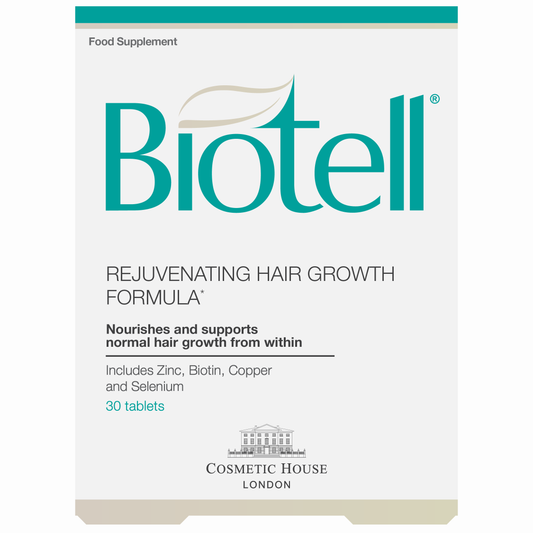
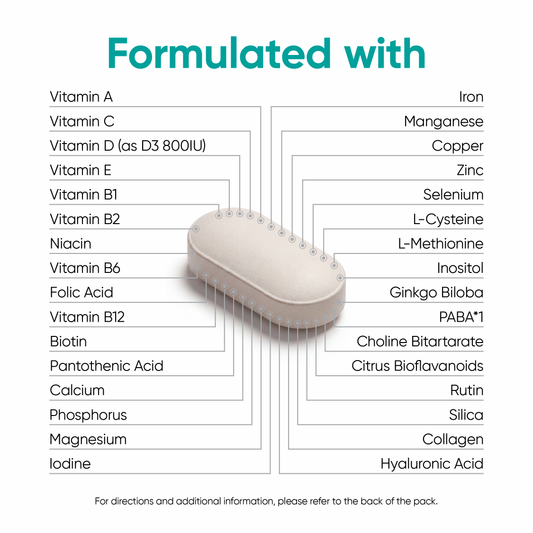
- Rejuvenating Hair Growth Formula
- Biotin and Collagen Drops 1000 and 1500
- Strengthening and Thickening Hair Spray
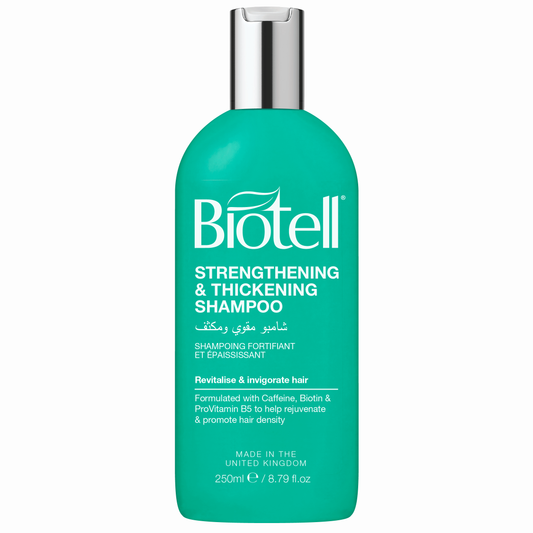
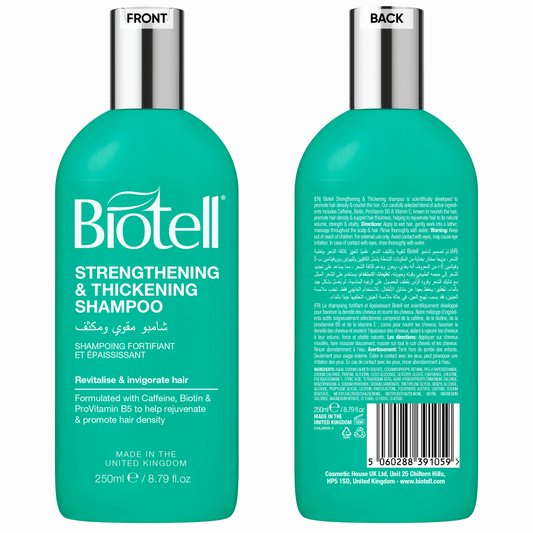
- Strengthening and Thickening Shampoo
- Nourishing Hair Oil
- Nourishing Set
- Nourishing Leave-In Conditioner
External references
- Mayo Clinic, Hair loss: Symptoms and causes
- Cleveland Clinic, Hair Loss in Women: Causes and Treatment
- Harvard Health, Vitamins, minerals, and hair loss: Is there a connection?
- Healthline, Thinning Hair: Causes, treatment, vitamins, and more
Disclaimer: This article is for general information only and is not medical advice. Always speak with a qualified healthcare professional if you have symptoms, a medical condition, or take medications.