What is hyperpigmentation?
Hyperpigmentation is the appearance of darker areas of skin caused by excess melanin. It can show up as small spots, larger patches, or uneven tone across an area. It is usually harmless, but it can be persistent, especially if the skin is repeatedly exposed to UV or irritation.
If pigmentation appears suddenly, changes rapidly, looks unusual, or comes with itching, bleeding, or pain, it is best to get medical advice.
Common causes
Sun exposure
UV is one of the biggest drivers of dark spots. Even when you are actively treating pigmentation, sun exposure can keep the cycle going. Daily SPF is not optional if your goal is a more even tone.
Post blemish marks and inflammation
After breakouts, irritation, or injury, the skin can produce extra melanin, leaving a mark behind. This is why gentle care and avoiding picking matters as much as your brightening products.
Hormonal shifts
Hormone-related pigmentation, often seen as melasma, can appear as symmetrical patches, commonly on the cheeks, forehead, or upper lip. It often needs long-term sun protection and a steady, non-irritating routine.
Medications and medical conditions
Some medications and medical conditions can contribute to skin darkening. If you suspect this is the trigger, treating the cause is as important as treating the skin.
Types of hyperpigmentation
- Sunspots, flat spots on sun-exposed areas, often the face and hands
- Melasma, patchy pigmentation often linked to hormonal triggers
- Post-inflammatory hyperpigmentation, marks left after acne, irritation, or injury
The category matters because it influences how quickly results appear. Post-blemish marks often fade gradually with the right routine, while melasma can be more stubborn and tends to return if sun protection slips.
How to build an effective routine
Morning routine
- Cleanse with a gentle cleanser
- Brighten with a vitamin C or brightening serum
- Moisturise to support the barrier
- SPF as the last step, every day
If you only change one thing, make it daily SPF.
Night routine
- Cleanse to remove SPF and build-up
- Treat with a brightening step or a gentle renewal product
- Moisturise to reduce irritation and support recovery
A consistent night routine often makes the biggest difference over time.
Where exfoliation fits
Gentle chemical exfoliation can help by supporting cell turnover, but more is not better. Over-exfoliating increases irritation, which can worsen pigmentation. Start low and slow, and prioritise barrier comfort.
Mistakes that slow progress
Skipping SPF
Without daily sun protection, your treatment results can stall, or new pigmentation can form.
Using too many actives
Stacking strong products often leads to irritation, and irritation often leads to more visible marks.
Picking and friction
Picking blemishes and scrubbing too hard can keep the inflammation loop active.
Consistency wins. Most routines need several weeks before you see meaningful change, and longer for deeper or hormonal pigmentation.
Supplements for skin support
Supplements do not replace skincare, but they can support the bigger picture, skin barrier function, antioxidant support, and overall skin appearance. If you choose supplements, focus on quality, consistency, and realistic expectations.
- Vitamin C, supports normal collagen formation and antioxidant defence
- Zinc and selenium, support normal skin function
- Collagen blends, often used as part of beauty routines for skin and hair support
If you are pregnant, breastfeeding, have a health condition, or take medication, speak to a healthcare professional before starting supplements.
Biotell routine options for uneven tone
If your goal is brighter, more even-looking skin, the simplest approach is to combine daily SPF with one consistent brightening step, then keep the rest of your routine gentle and supportive.
Core routine, simple and consistent
- Daily SPF as your non-negotiable step
- A vitamin C serum in the morning
- A brightening serum or cream at night, depending on your skin preference
All product links are listed at the bottom of the page.
When you want a ready-made set
- A targeted hyperpigmentation set for routine structure
- A brightening set for tone and glow support
- A glow set if you want brightening plus SPF in one bundle
All product links are listed at the bottom of the page.
Patch test when introducing new products. If irritation shows up, simplify, focus on moisturising and SPF, then reintroduce actives gradually.
Treatments at a glance
| Treatment type | Common focus | Benefits | Considerations |
|---|---|---|---|
| Daily sun protection | Preventing new pigmentation | Helps stop dark spots from deepening and recurring | Needs daily use, reapply when outdoors |
| Brightening serums | Uneven tone, dark spots | Supports a brighter-looking complexion over time | Introduce slowly, avoid mixing too many strong actives |
| Gentle exfoliation | Texture, dullness, tone | Supports smoother-looking skin | Overuse can irritate and worsen marks |
| Supplements | Skin support from within | Supports overall skin nutrition and barrier function | Not a replacement for SPF or skincare, seek advice if needed |
| Professional treatments | Stubborn or persistent pigmentation | Can deliver faster results for some cases | Best guided by a dermatologist |
FAQ's about hyperpigmentation
How long does hyperpigmentation take to fade?
What is the most important step in a pigmentation routine?
Can I use brightening products every day?
Does exfoliation help with dark spots?
When should I see a dermatologist?
Product links and references
Biotell products mentioned
- Hyperpigmentation collection
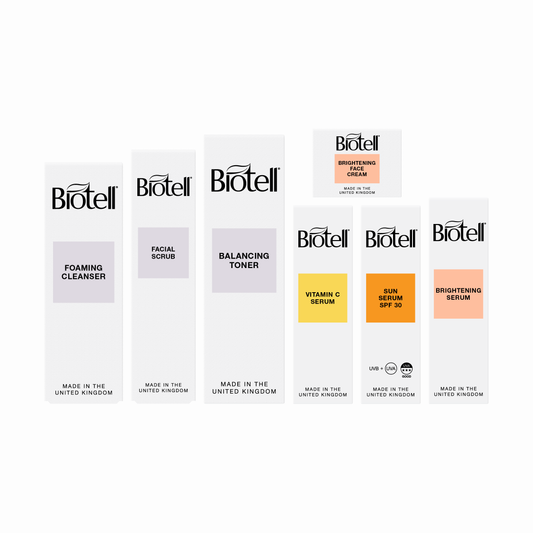
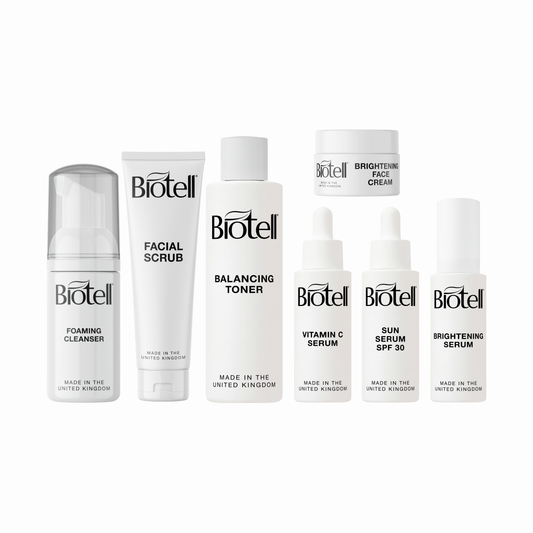
- Sun Serum SPF 30
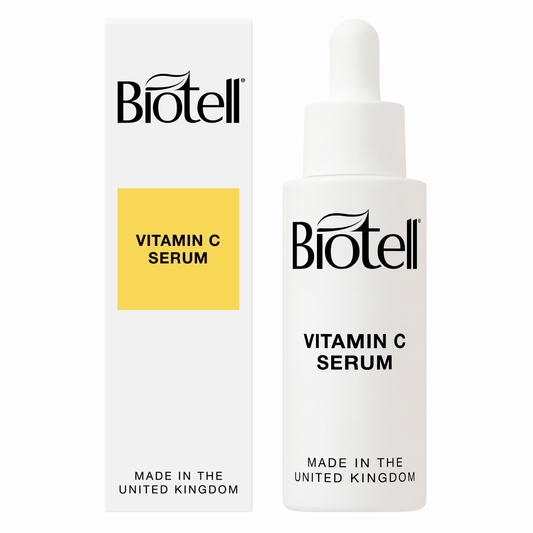
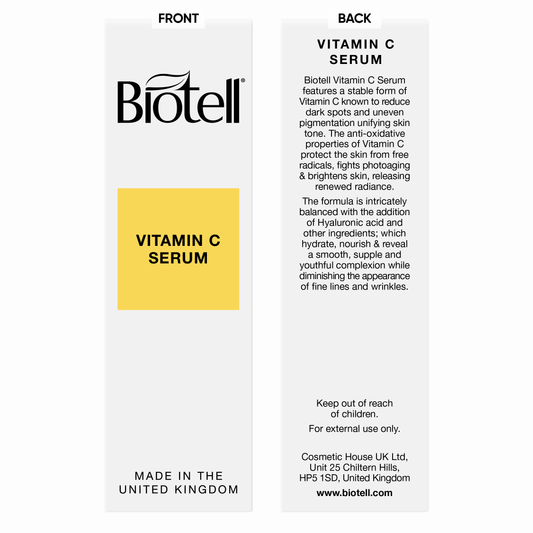
- Vitamin C Serum
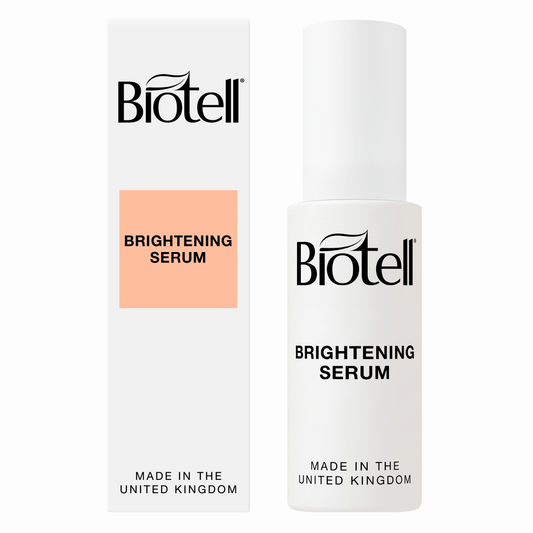
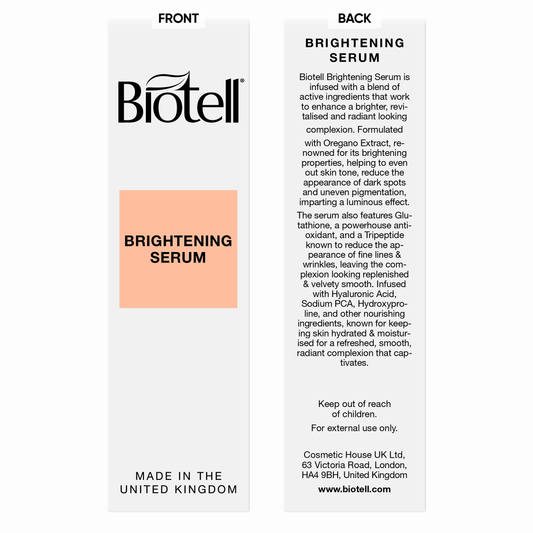
- Brightening Serum
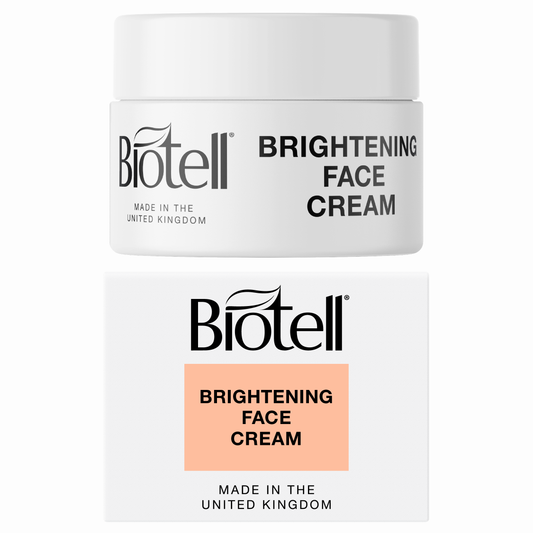
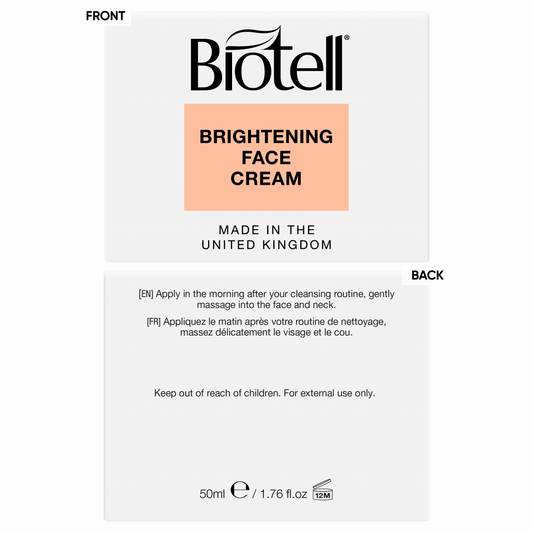
- Brightening Face Cream
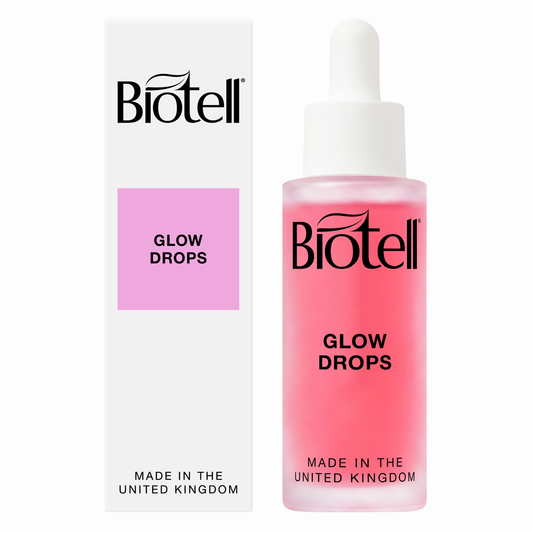
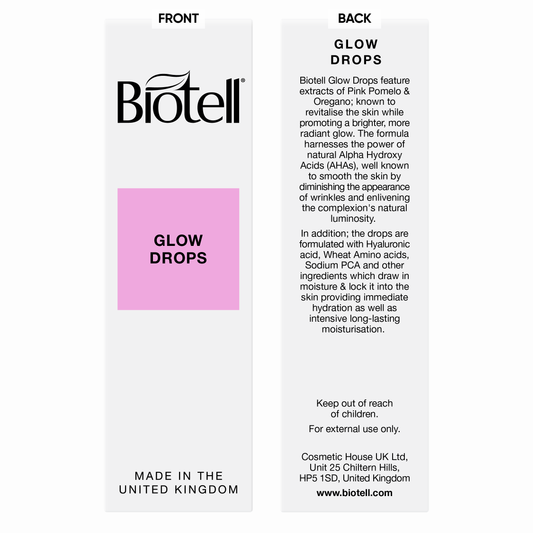
- Glow Drops
- Hyperpigmentation Set
- Brightening Set
- Glow Set
- Collagen Beauty Liquid 5000mg
- Collagen Beauty Liquid 10,000mg
External references
- Cleveland Clinic, Hyperpigmentation: Causes and Treatment
- American Academy of Dermatology, How to fade dark spots
- DermNet NZ, Post-inflammatory hyperpigmentation
- British Association of Dermatologists, Melasma leaflet
Disclaimer: This article is for general information only and is not medical advice. Always speak with a qualified healthcare professional if you have symptoms, a medical condition, or take medications.