What is vitamin C in skincare?
Vitamin C is an antioxidant used in skincare to support brighter-looking skin and to help defend against visible signs of environmental stress. You may see it listed as ascorbic acid or as more stable derivatives, depending on the formula.
Vitamin C is also naturally present in skin, but factors like UV exposure can reduce the skin’s levels over time, which is one reason topical vitamin C is so popular in daily routines.
How vitamin C supports collagen
1) Collagen formation support
Vitamin C is involved in the processes that support normal collagen formation, which is linked to firmer-looking skin over time.
2) Helps reduce visible photoaging
As an antioxidant, vitamin C can help limit the appearance of damage from daily stressors that contribute to an aged look.
3) Pairs well with barrier-first routines
When your barrier is hydrated and protected with SPF, collagen-supporting routines tend to look better, faster.
Collagen support is a long game. Consistency plus daily SPF usually makes the biggest difference in how firm and even skin looks.
Key benefits for radiant skin
Brightens dull skin
Vitamin C is known for helping skin look more radiant, especially when the complexion feels tired or uneven.
Helps reduce the look of dark spots
Vitamin C is commonly used to help improve the appearance of uneven tone and post-blemish marks, especially alongside daily sun protection.
Antioxidant protection
Antioxidants help reduce the visible impact of environmental stress on skin quality, which supports a fresher, healthier-looking glow.
Smoother-looking texture
With consistent use, vitamin C can support a more refined-looking texture, especially when paired with hydration and a simple routine.
How to choose a vitamin C product
Look for stability
Vitamin C can oxidise, which is why stable formulas and good packaging matter. If your serum turns very dark or smells strongly metallic, it may be past its best.
Choose based on sensitivity
Some people tolerate stronger forms easily, others do better with gentler, more stable vitamin C types. If you are sensitive, start slowly and keep the rest of your routine calming.
If you are already using retinoids or exfoliating acids, vitamin C usually fits best in the morning, then keep stronger actives for alternate nights.
How to use vitamin C in your routine
Morning routine
- Cleanse
- Apply vitamin C serum
- Moisturise
- Finish with SPF as your last step
Night routine
- Cleanse
- Hydrate and repair with a moisturiser or facial oil if needed
- If you use actives (retinoids or acids), alternate nights and avoid over-layering
If your goal is dark spots and tone, SPF is non-negotiable. Without daily protection, pigmentation concerns tend to return.
Common mistakes that reduce results
Skipping SPF
Vitamin C supports brighter-looking skin, but SPF protects the progress. If you want real long-term improvement, use SPF daily.
Using too much too soon
More is not better if your skin becomes irritated. Start a few mornings per week, then build up.
Overloading actives
Layering vitamin C, strong acids, and retinoids in one routine can cause irritation and dryness. Keep vitamin C as your consistent base step, then rotate stronger actives.
Improper storage
Heat and light can reduce potency. Keep your vitamin C product tightly closed and stored away from direct sunlight.
Vitamin C at a glance
| Goal | What vitamin C supports | Best routine placement | Routine tip |
|---|---|---|---|
| Radiance | Brighter-looking, more even complexion | Morning | Moisturise after, then SPF |
| Dark spots | Improves the look of uneven tone over time | Morning | Daily SPF is essential |
| Collagen support | Supports normal collagen formation processes | Morning or alternate days | Consistency over weeks matters |
| Antioxidant support | Helps reduce visible impact of environmental stress | Morning | Great alongside SPF |
Shareable fact: UV exposure can reduce vitamin C levels in the skin, which is one reason topical vitamin C is used as part of daytime protection routines.
FAQ's about vitamin C
When should I use vitamin C, morning or night?
Can vitamin C irritate sensitive skin?
Can I use vitamin C with retinoids or acids?
How long until I see results?
Does oxidised vitamin C still work?
Product links and references
Biotell products mentioned
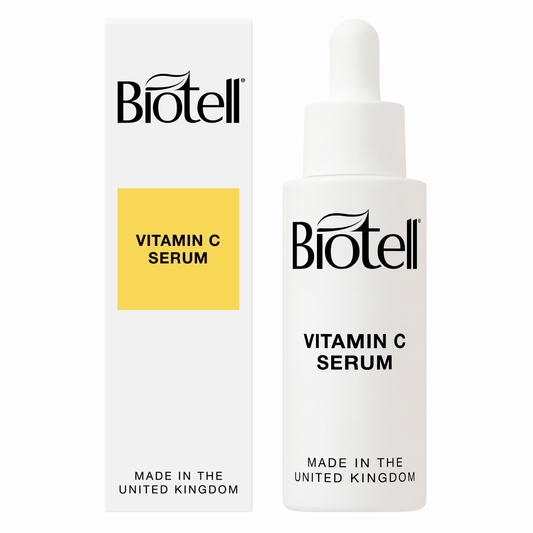
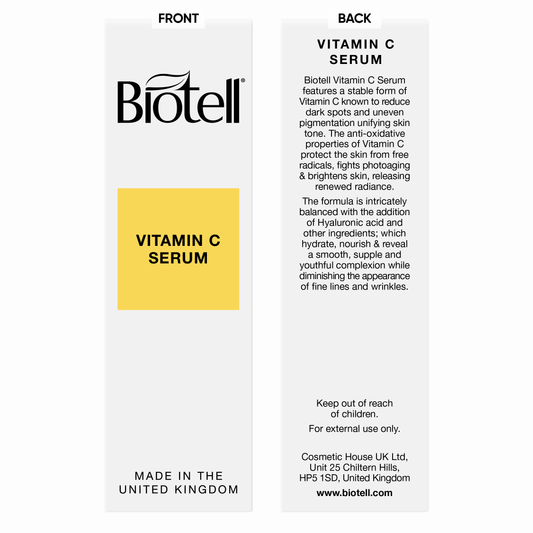
- Vitamin C Serum
- Glow Set (Sun Serum SPF + Glow Drops + Vitamin C Serum)
- Brightening skincare collection
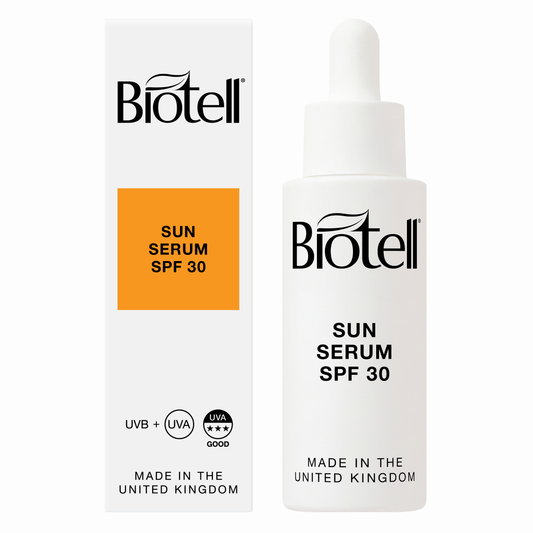
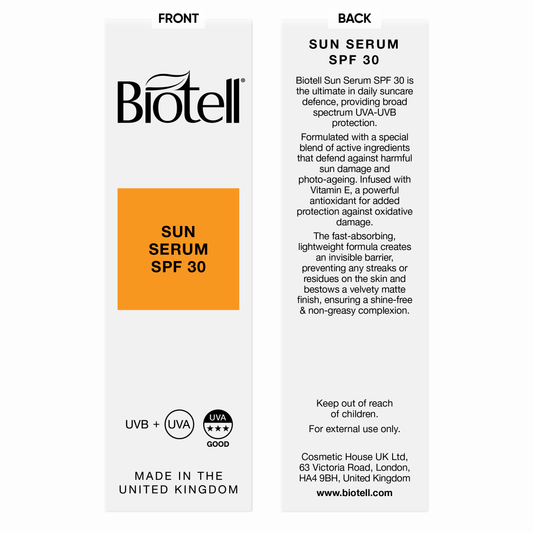
- Sun Serum SPF 30
- Glow Drops
- Collagen Beauty Liquid 10,000mg (Bovine)
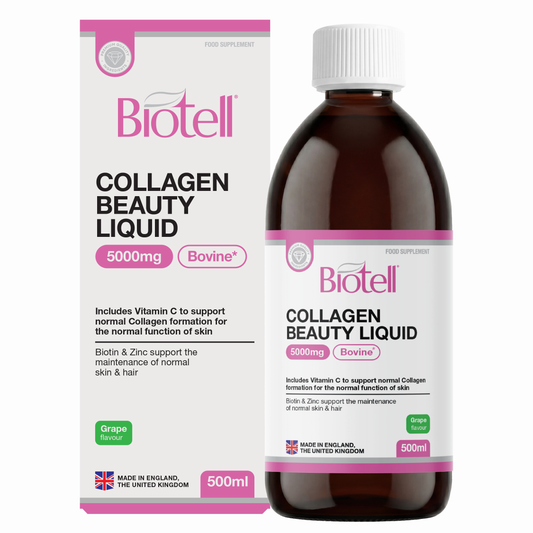
- Collagen Beauty Liquid 5,000mg (Bovine)
External references
- DermNet NZ: Topical vitamin C
- Harvard Health: Why is topical vitamin C important for skin health?
- Review: Topical Vitamin C and the Skin (mechanisms and clinical use)
- Clinical trial: Topical ascorbic acid on photoaged skin (double-blind, randomised)
- NIH ODS: Vitamin C (collagen role, general facts)
Disclaimer: This article is for general information only and is not medical advice. Always speak with a qualified professional if you have symptoms, a medical condition, or take medications.