Why vitamins matter for kids
Vitamins and minerals are micronutrients that support normal growth, development, and everyday function. Children’s needs change quickly as they grow, which is why consistent nutrition matters, even when appetites and preferences vary week to week.
A balanced diet is always the goal. Supplements are best used as a simple backup plan, they help fill gaps when your child’s intake is limited, not replace real food.
Growth and bone development
Key nutrients like vitamin D and calcium support healthy bones and teeth during growth years.
Energy and learning
B vitamins and iron support energy release and normal cognitive development, especially during busy school years.
Immune function
Nutrients like vitamin C, vitamin D, and zinc contribute to normal immune function, which is helpful year-round.
Key vitamins and minerals children need
Vitamin D
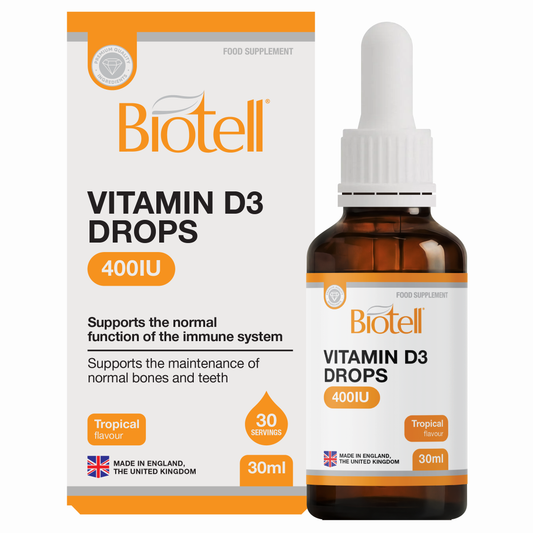
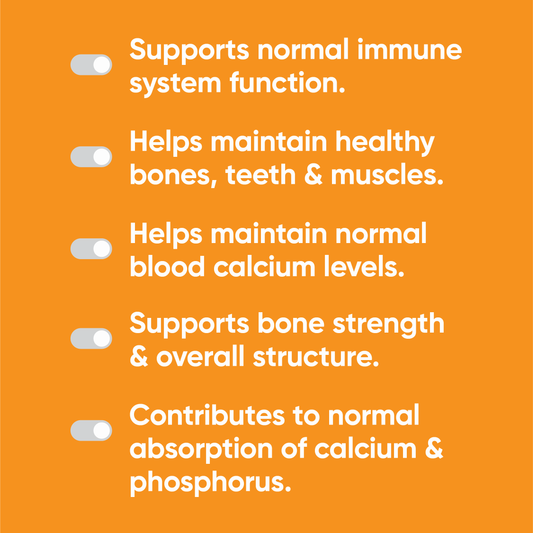
Vitamin D supports normal growth and development of bones in children and contributes to normal immune function. It is one of the most common gaps in the UK because sunlight exposure can be limited, especially in autumn and winter.
Vitamins A and C
Vitamin A supports normal vision and immune function. Vitamin C supports immune function and helps with iron absorption, which matters if your child eats little meat or has a limited diet.
B vitamins (including folate and B12)
B vitamins support energy release from food. Folate and B12 also contribute to normal red blood cell formation, which supports healthy growth and development.
Iron and zinc
Iron supports normal cognitive development in children and helps reduce tiredness when intake is low. Zinc contributes to normal immune function and supports normal growth and development.
If you use a multivitamin, avoid doubling up with separate high-dose products unless advised by a healthcare professional. With children, simple and consistent usually beats complex.
Who might need extra support
Many children do well with food alone, but extra support can be useful when intake is inconsistent or restricted.
- Picky eaters who avoid whole food groups, especially vegetables, proteins, or dairy alternatives.
- Children on restricted diets, for example vegetarian, dairy-free, or gluten-free.
- Kids with limited sunlight exposure, or during the colder months.
- Children in rapid growth phases, where appetite and intake can be unpredictable.
If your child has ongoing fatigue, frequent illness, or growth concerns, it is best to speak with a GP, pharmacist, or registered dietitian.
How to choose the right vitamins for your child
Choose child-appropriate formulas
Children’s products should be formulated for their needs, with clear dosing guidance by age.
Pick an easy format
Liquids and drops are easy to dose and fit neatly into a morning routine, especially for younger kids.
Keep it clean and simple
Look for clear ingredient lists, avoid unnecessary extras, and focus on the essentials your child is likely to miss.
Always follow the label. For children under 5, and especially under 3, check with a healthcare professional before starting new supplements.
Practical tips for parents
1) Build meals around “anchors”
Choose one reliable protein, one fibre-rich carb, and one fruit or veg your child accepts, then rotate the rest slowly.
2) Make “food exposure” low pressure
Offer small tastes without forcing. Repeated exposure is often what helps picky eaters expand.
3) Put supplements on autopilot
If you use drops or a liquid, tie it to a consistent moment like breakfast, after teeth, or before the school run.
4) Keep hydration and sleep steady
Hydration and sleep influence mood, focus, and appetite. Nail those basics, and nutrition becomes easier.
Shareable fact: UK guidance recommends daily vitamin supplements containing vitamins A, C and D for most children aged 6 months to 5 years, and a daily vitamin D supplement for children aged 1 to 4.
Vitamins for children at a glance
| Nutrient | What it supports | Food sources | When a supplement may help |
|---|---|---|---|
| Vitamin D | Bone development, immune function | Fortified foods, egg yolk, oily fish | Low sunlight months, limited dietary sources |
| Vitamin C | Immune function, tissue support, iron absorption | Citrus, berries, peppers | Low fruit and veg intake |
| B vitamins (B6, B12, folate) | Energy release, red blood cells, development | Meat, eggs, dairy, legumes, leafy greens | Restricted diets, inconsistent protein intake |
| Iron | Cognitive development, energy levels | Red meat, lentils, beans, fortified cereals | Low meat intake, plant-based diets, picky eating |
| Zinc | Immune function, growth, wound healing | Meat, fish, beans, nuts, seeds | Limited variety, low protein intake |
| Calcium | Bones and teeth | Dairy, fortified plant milks, leafy greens | Low dairy or fortified alternatives |
Disclaimer: This article is for general information only and is not medical advice. Always speak with a qualified professional if your child has a medical condition, takes medication, or you have concerns about growth or nutrition.
FAQ's
Do children really need vitamin supplements?
What is the most important vitamin for kids in the UK?
Are liquid vitamins better than gummies?
Can vitamins “boost” my child’s immunity?
Can I combine a multivitamin with extra vitamin D?
Product links and references
Biotell products mentioned
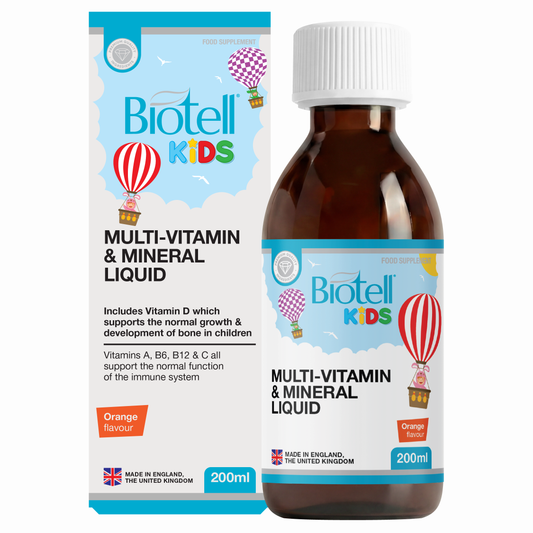
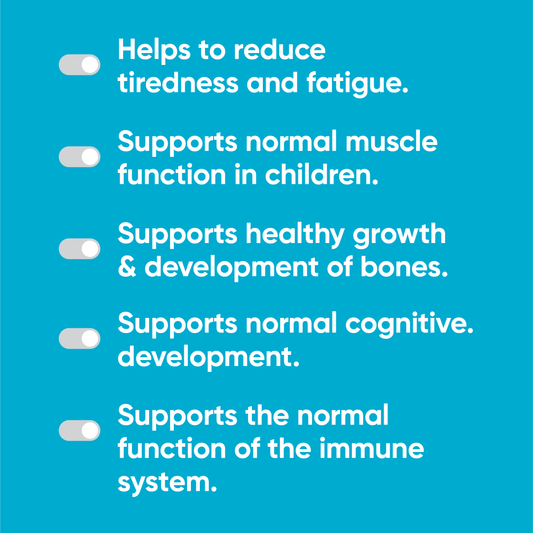
- Kids Multi-Vitamin & Mineral Liquid
- Vitamin D3 Drops 400IU/1ml
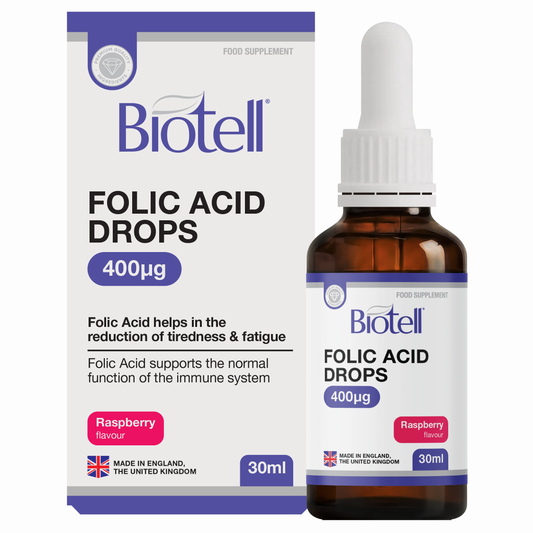
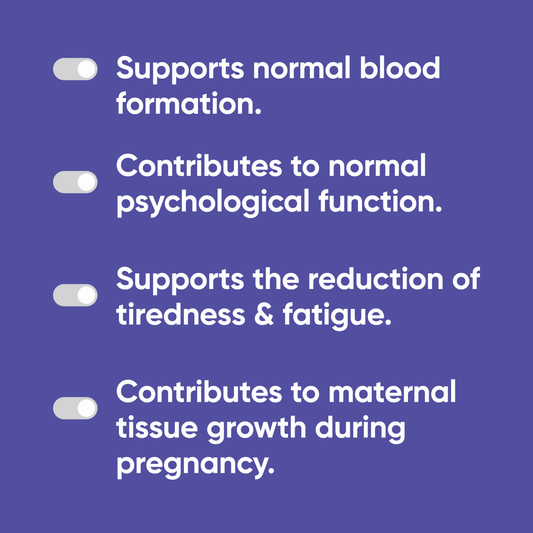
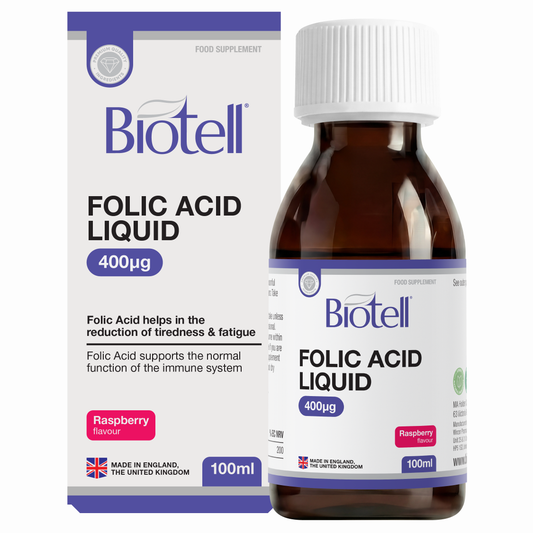
- Folic Acid Drops 400µg/1ml
- Health & Wellbeing collection
- Vitamins & Minerals collection
External references
- NHS: Vitamins for children
- NHS: Vitamin D guidance
- Cambridge University Hospitals NHS: Choosing a multivitamin and mineral supplement for children
Disclaimer: This article is for general information only and is not medical advice. Always follow product labels and seek professional advice if you have questions about supplements for children.