
Face pigmentation often appears as dark spots, uneven tone, or post-blemish marks that linger long after a breakout has healed. One of the most common reasons results stall is switching products too frequently or layering too many actives without a clear plan. The most effective approach is simple: daily broad-spectrum sun protection, one consistent brightening step, and barrier-supporting hydration to keep skin calm and resilient while pigment fades.
Quick routine summary
Morning: cleanse → vitamin C (or brightening serum) → moisturiser → SPF. Night: cleanse → brightening or retinoid (alternate nights) → moisturiser. The rule: no SPF, no progress.
See recommended products and referencesDisclaimer: This article is for general information only and is not medical advice. If pigmentation changes quickly, becomes raised, bleeds, or you are unsure about a spot, seek medical advice.
What causes facial pigmentation?
Facial pigmentation usually happens when skin produces extra melanin in response to a trigger. The most common triggers are sun exposure, inflammation (like acne), hormones, and irritation from overly harsh skincare.
Sun exposure
UV can deepen existing dark spots and create new ones. This is why SPF is the most important step in any pigmentation plan.
Inflammation and post-blemish marks
After breakouts or irritation, skin can leave a mark behind. Picking and over-exfoliating often makes it worse.
Hormonal shifts
Melasma can show as patchy pigmentation, often on cheeks, forehead, or upper lip. It tends to return if sun protection is inconsistent.
Barrier stress
A damaged barrier can lead to redness and sensitivity, and sensitivity often makes pigmentation harder to calm and treat.
Common types of pigmentation
- Post-inflammatory hyperpigmentation (PIH): marks left after acne or irritation
- Sunspots: small flat spots in sun-exposed areas
- Melasma: patchy pigment often linked to hormones
Why this matters: PIH often improves steadily with a consistent routine, while melasma is more “maintenance”, the goal is fading plus preventing return.

The 3 rules that make pigmentation fade faster
1) SPF every morning
Your brightening products cannot outwork the sun. Daily SPF is the foundation step.
2) One brightening step, consistently
Choose one main brightening product and stick to it for weeks, not days. Switching too often slows progress.
3) Protect the barrier
Irritation can make pigmentation look worse. Hydration and a gentle routine are part of the treatment.
If you are sensitive, your best plan is usually “less, but consistent” rather than stacking multiple strong actives.
A simple routine for pigmentation
Morning routine
- Gentle cleanse
- Vitamin C serum or brightening serum
- Moisturiser (light or rich depending on your skin)
- SPF as the last step, daily
If you only do one thing, do SPF.
Evening routine
- Cleanse (double cleanse if you wear SPF and makeup)
- Brightening serum or a retinoid (alternate nights)
- Moisturiser to keep the barrier calm
Alternate actives to avoid irritation.
How long does it take?
Pigmentation takes time. Many people see early improvement in glow and overall tone within a few weeks, while darker spots often take 8–12 weeks or longer. Consistency and sun protection determine how fast results show.
Biotell product recommendations from Skin Care
Based on your search term “face care for pigmentation”, here is the most effective way to use Biotell’s skincare range without overcomplicating it. Start with the essentials, then add upgrades only if your skin tolerates them well.
Essentials for pigmentation (start here)
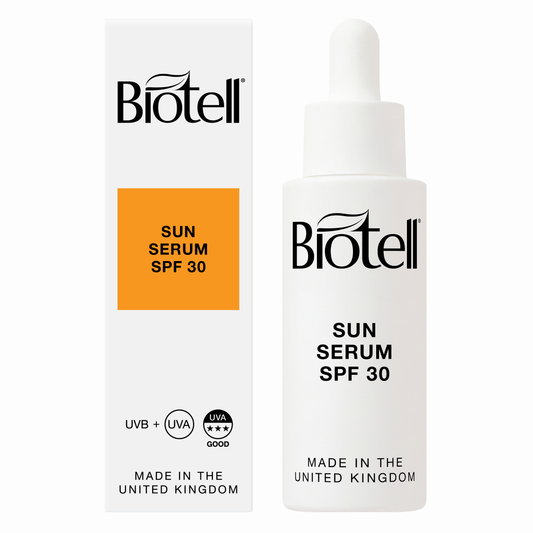
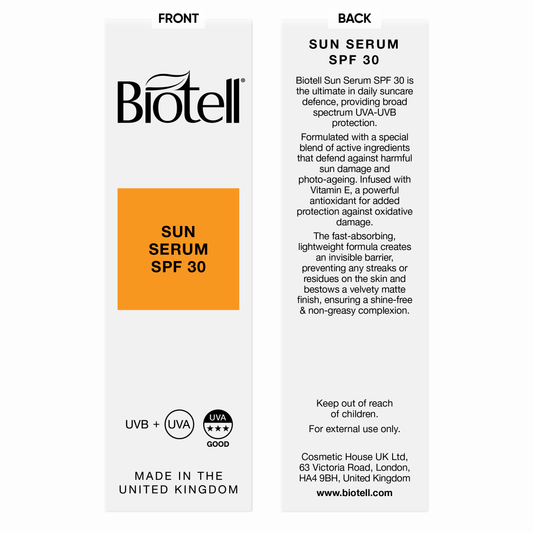
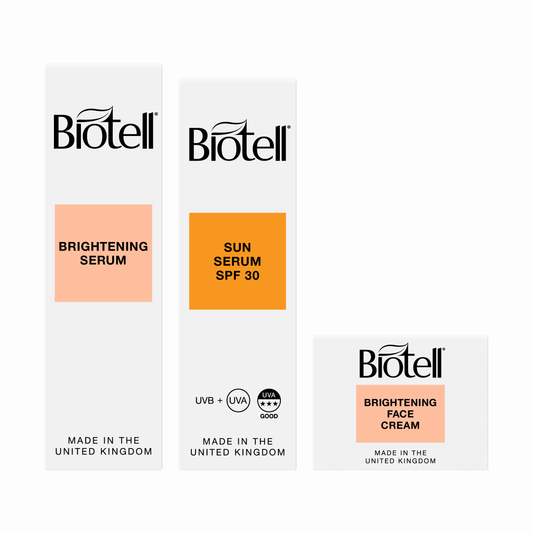
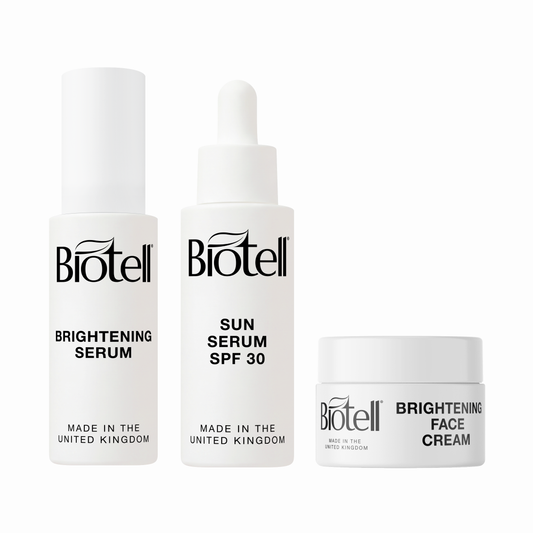
- Sun Serum SPF 30 as your daily non-negotiable
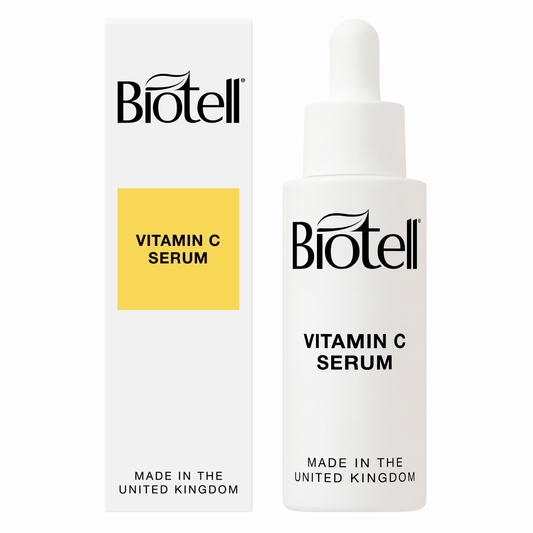
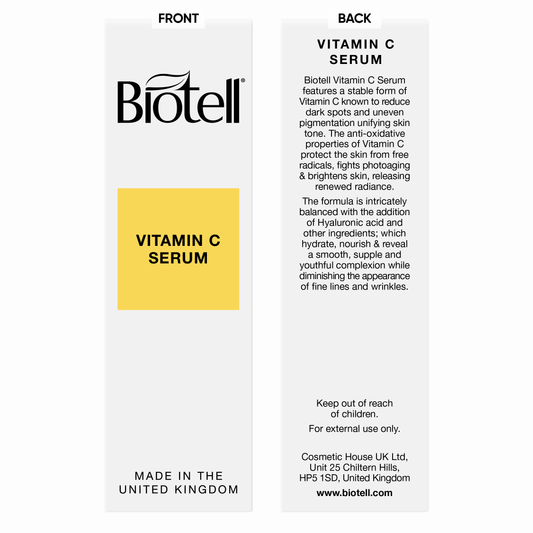
- Vitamin C Serum for morning radiance and tone support
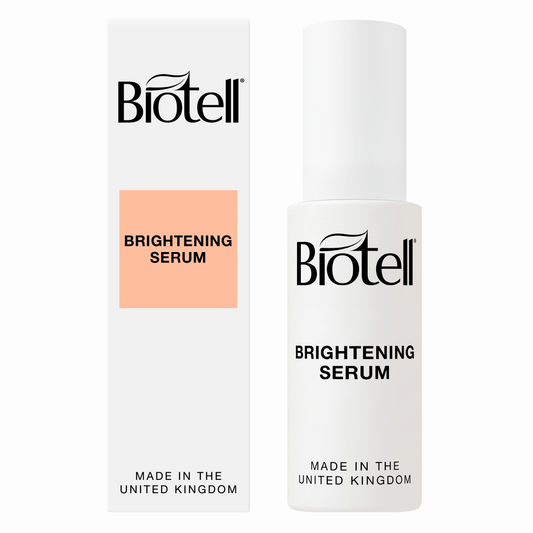
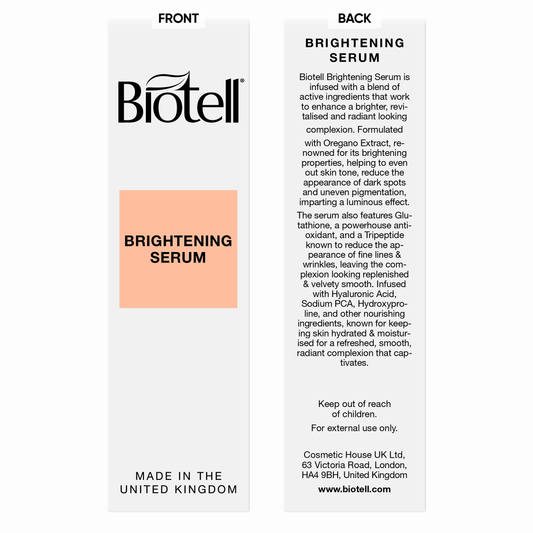
- Brightening Serum if your main goal is dark spots and uneven tone
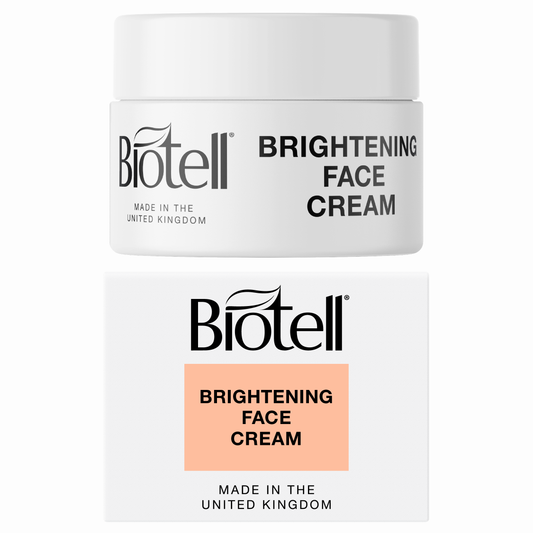
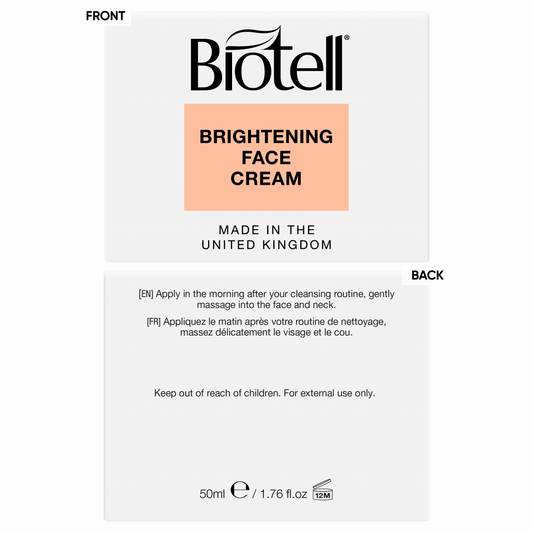
- Brightening Face Cream for tone support plus moisture
Product links are listed at the bottom.
Support steps (only if needed)
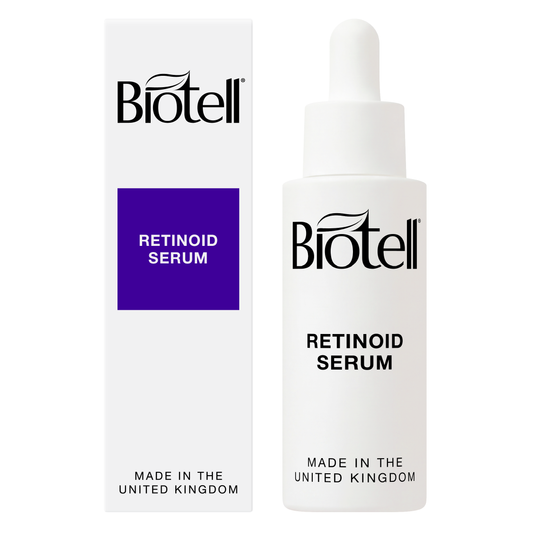
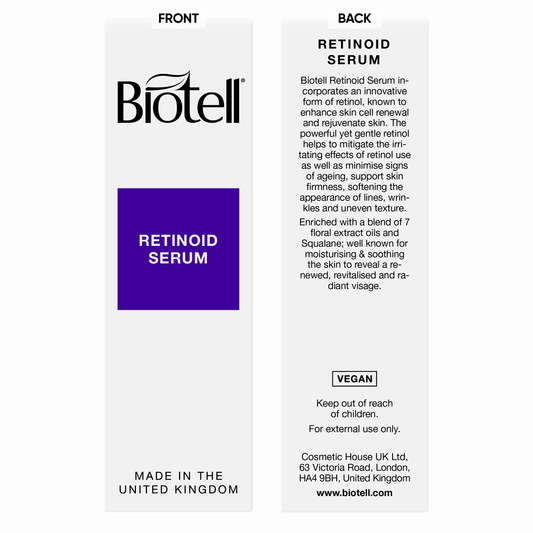
- Retinoid Serum on alternate nights for renewal (start slowly)
- Foaming Cleanser for a clean base without harsh stripping
- Balancing Toner for a simple, soothing prep step
- Day Face Cream if you want a daily moisturiser separate from a brightening cream
Product links are listed at the bottom.
Best bundle if you want it done for you
Brightening Set is a simple pigmentation routine in one set.
Best bundle for glow + SPF
Glow Set works well if your main goal is radiance plus daily protection.
Best bundle for unevenness
Hyperpigmentation Set is designed for discolouration and uneven tone routines.
If you are pregnant, breastfeeding, or managing a skin condition, check with a professional before adding strong actives.

Face care for pigmentation at a glance
| Concern | Core routine | Helpful add-on | What to avoid |
|---|---|---|---|
| Post-blemish marks (PIH) | SPF daily + brightening serum or vitamin C | Retinoid on alternate nights | Picking, harsh scrubs, too many actives |
| Sunspots | SPF daily + vitamin C in the morning | Brightening cream in the evening | Skipping SPF, tanning, inconsistent routine |
| Melasma | SPF daily (high priority) + gentle brightening | Dermatologist-led treatment plan if persistent | Heat and sun exposure without protection |
| Uneven tone and dullness | Vitamin C + SPF + moisturiser | Brightening serum or glow routine | Over-exfoliation and irritation |
Disclaimer: This article is for general information only and is not medical advice. If you have a persistent or worsening skin concern, seek professional advice.
FAQ's about face care for pigmentation
What is the best skincare step for pigmentation?
How long does it take to fade dark spots?
Can I use vitamin C and a retinoid together?
Why do my dark spots come back?
Should I exfoliate if I have pigmentation?
Product links and references
Biotell skincare products to recommend for pigmentation
- Biotell Skin Care collection
- Sun Serum SPF 30
- Vitamin C Serum
- Brightening Serum
- Brightening Face Cream
- Retinoid Serum
- Foaming Cleanser
- Balancing Toner
- Day Face Cream
- Brightening Set
- Glow Set
- Hyperpigmentation Set
- Hyperpigmentation collection
External references
- American Academy of Dermatology: How to fade dark spots
- DermNet NZ: Post-inflammatory hyperpigmentation
- British Association of Dermatologists: Melasma leaflet
- Cleveland Clinic: Hyperpigmentation
- Review: Sunscreen role in melasma and PIH
Disclaimer: This content is for general information only and is not medical advice. Always seek professional advice if you have a persistent or worsening skin concern.
Tags: